Last updated November 17, 2026








Free written scope consultation - allowances, timeline, and change-order rules on paper before a single trade is scheduled
Construction Warning Signs: A Sunrise Manor Homeowner’s Reference Guide
A hairline crack in stucco can mean nothing, or it can mean the foundation shifted. The difference is location, pattern, and timing – and Sunrise Manor homeowners who can read those three factors catch a $400 fix before it becomes a $40,000 repair. Most warning-sign guides chase visible damage: a missing shingle, a stain on the ceiling. In desert construction, the expensive failures hide. Thermal-stress cracks open behind stucco, moisture creeps under a slab, roof decking softens one summer at a time. This guide teaches you to read the early signals, photograph them properly, and know the exact point where monitoring becomes a phone call.
Quick Answer
Construction warning signs in a Sunrise Manor home fall into three groups: structural settlement (stair-step cracks, racked door frames, floor gaps), moisture intrusion (efflorescence on block walls, bubbling paint, grout separation), and heat or material fatigue (attic discoloration, drywall nail pops, brittle caulk lines). Cracks under 1/16 inch that run diagonally are usually cosmetic; cracks wider than a quarter inch, cracks that stair-step through block, or any crack that grows noticeably over 90 days deserve a licensed contractor’s eyes. Document everything with dated photos before you call.
Styles & brands we work with
- Kitchen remodeling
- Bathroom remodeling
- Home additions & ADU
- Roofing
- Windows & doors
- Driveway & pavers
- Fence
Table of Contents
- How Do You Tell Cosmetic Stucco Cracks From Structural Settlement?
- What Warning Signs Are Unique to Desert Homes in Sunrise Manor?
- Which Interior Signals Come Before Major Exterior Failures?
- When Should You Call a Contractor vs. Monitor for 90 Days?
- How Do You Photo-Document a Problem for a Contractor?
- What Does Roof and Attic Heat Damage Look Like in Sunrise Manor?
- What Do Efflorescence and Block Wall Cracks Actually Mean?
How Do You Tell Cosmetic Stucco Cracks From Structural Settlement?
Pattern and location answer the question, not width alone. A cosmetic stucco crack is usually vertical or diagonal, short, and sits where two different materials meet or where the sun hits hardest – typically a west- or south-facing wall in Sunrise Manor that takes 115-degree afternoon heat. A settlement crack tells a different story. It stair-steps through block courses, runs wider at one end, or appears at a corner where two walls meet and continues inside at the same angle.
Run a simple three-factor check before you panic:
- Location: Cracks near window and door corners are common stress points and often cosmetic. Cracks radiating from the foundation line upward through multiple block courses are not.
- Pattern: Straight, single, vertical lines usually release surface stress. Stair-step cracks tracking the mortar joints of block, or cracks with a visible offset where one side sits slightly proud of the other, suggest movement.
- Timing: A crack that appeared during a monsoon season and has not changed is different from one that grows every summer. Measure and mark it with a pencil line and date. Check it again in 90 days.
One detail most guides skip: in Sunrise Manor’s climate, stucco expands and contracts daily. Cracks that open in the afternoon heat and close overnight are thermal, not structural. If you can slide a business card edge in at 4 p.m. and it won’t fit at 7 a.m., you’re watching thermal cycling, not foundation movement. Structural cracks don’t close back up.
What Warning Signs Are Unique to Desert Homes in Sunrise Manor?
Desert construction fails differently than the coastal and Midwest examples most guides use. Low humidity, extreme daily temperature swings, and caliche-heavy soil all leave signatures. Our technicians have up to 22 years of experience, and the calls that surprise homeowners most are the ones that started as something small they’d never been told to watch for.
- Efflorescence on block walls: That white, powdery salt bloom on the exterior block is moisture pushing through. On a garden wall it’s minor. On a wall attached to the house, especially near the slab line, it can mean water is finding a path behind the stucco.
- Door frames that rack in summer: If your interior doors stick in July and swing free in January, the frame is moving with the structure. A little seasonal swell is normal. Doors that need a shoulder to close, or that suddenly won’t latch at all, signal frame movement that may connect to foundation settlement.
- Foundation edge exposure: Desert soil shrinks and settles. If you can see more of the slab edge than you could a few years ago, or if soil has pulled away from the foundation leaving a gap, water now has a direct route underneath.
- Pop-out cracks at wall penetrations: Hose bibs, dryer vents, and electrical boxes are places stucco likes to crack first. A ring crack around a penetration that widens over a summer is worth tracking.
These are the signals that don’t make noise. Nothing drips, nothing smells. That’s exactly why they run for years before a homeowner connects them to a real problem. If you spot two or more of these together, that combination is your prompt to get a professional opinion rather than a single item on its own.
Which Interior Signals Come Before Major Exterior Failures?
Interior clues usually show up first, and they’re the ones homeowners dismiss. Drywall tells you what’s happening behind it long before the exterior shows anything. In our experience, the sequence inside a Sunrise Manor home tends to follow a pattern: nail pops, then grout lines, then floor gaps, then the exterior catches up.
- Drywall nail pops: Small circular bulges where the drywall screw or nail has backed out. One or two in a new home is normal settling. A cluster appearing along a ceiling seam, or a line of them following a wall, means the framing behind has moved.
- Grout separation: Cracked or crumbling grout in tile floors and showers. Some grout cracking is just age. Grout that separates in a straight line across an entire room, or hairline cracks that reappear after regrouting, points to substrate movement underneath.
- Floor gaps: Gaps opening between baseboard and floor, or between plank flooring. In desert homes, wood and laminate expand and contract. Gaps that only appear in summer are thermal. Gaps that stay and grow are structural or moisture-related.
- Door and window operation changes: A window that suddenly binds, or a deadbolt that no longer lines up, means the opening has shifted.
- Stains and bubbling: Brown rings on ceilings or bubbling paint on interior walls near the top of a room mean moisture is traveling. In Sunrise Manor, this is often a roof or flashing issue that started one monsoon season ago.
If you’re weighing whether an interior issue ties to a bigger project, a bathroom remodeling in Sunrise Manor assessment often surfaces hidden moisture problems around showers and tubs that a visual inspection alone misses. That’s a useful early check, because moisture behind tile is one of the interior failures that stays invisible longest.
When Should You Call a Contractor vs. Monitor for 90 Days?
Call immediately for anything that compromises safety or is actively getting worse. Monitor and document for anything stable, small, and cosmetic-looking. The 90-day rule is the practical dividing line: if a single warning sign is small and unchanged, give it a season to prove itself. If it fails that test, or if you have several signs at once, call.
Call a licensed contractor the same day for:
- Doors or windows that suddenly won’t open, close, or latch
- A crack wider than a quarter inch, or one with a visible offset
- Water actively entering, or a ceiling sagging
- Gas smell, sparking outlets, or burning odors near a panel (call your utility first, then a licensed professional)
- Roof damage after a monsoon or wind event, especially missing shingles or exposed decking
Monitor for 90 days, with documentation, for:
- Hairline stucco cracks under 1/16 inch that haven’t changed
- A single nail pop
- Seasonal door stick
- Minor efflorescence on a freestanding wall
Here’s the caveat that matters in Sunrise Manor: two or more “monitor” items appearing within the same 90-day window add up to a “call.” One nail pop is nothing. A nail pop plus grout separation plus a door that started sticking is a story the structure is telling you. If you’re planning a larger project anyway, a general contractor in Sunrise Manor can fold a structural inspection into the same walkthrough.
How Do You Photo-Document a Problem for a Contractor?
Good documentation is the difference between a contractor guessing over the phone and understanding the problem before arriving. In our experience, the homeowners who hand us clear, dated photos on the first call get accurate guidance and a faster, tighter estimate. Here’s a method that works: a data-collection routine any homeowner can run.
- Establish scale. Lay a ruler, tape measure, or coin next to the crack or stain in every photo. A photo without scale tells a contractor nothing about whether you have a hairline or a hazard.
- Mark and date. Draw a light pencil line across the crack ends and write today’s date next to it. This single step lets anyone measure growth over 90 days without a baseline argument.
- Shoot wide, then close. Take one wide shot showing which room or wall the issue is in, then a close-up showing detail. A close-up alone is impossible to place.
- Shoot the same angle every time. Stand in the same spot and take the follow-up photo from the same height and direction. Consistent framing makes growth obvious.
- Log the conditions. Note the time of day, temperature, and whether the crack looked different than last visit. Thermal behavior is diagnostic.
- Collect a simple timeline. A one-page list – date, location, what you saw, what changed – gives a contractor the context to tell a cosmetic issue from an active one.
Bring those photos and your timeline to the first call. It takes about 15 minutes of set-up and can save a lot of back-and-forth. A contractor who asks for this level of detail is doing it right.
What Does Roof and Attic Heat Damage Look Like in Sunrise Manor?
Attic heat damage is the slow, invisible failure that costs the most over time. Sunrise Manor attics regularly hit 150 to 160 degrees in July, and that cooks the underside of the roof decking, degrades shingle adhesive, and dries out seals around flashing. A roof can look fine from the street and be quietly failing from the inside out. What to look for, from the attic up:
- Decking discoloration and soft spots: Brown staining or a spongy feel underfoot on the roof deck. Stains on the underside of decking indicate either past or active water intrusion.
- Brittle or curling shingles: From the ground, look for shingle edges that lift, curl, or look “fried.” Sun-baked shingles lose their protective granules, and bare spots show up as dark patches.
- Flashing seal breakdown: The rubber and mastic around vent pipes and skylights hardens and cracks in the heat. That’s a common entry point in monsoon season.
- Attic ventilation failure: If the attic has no ridge vent or soffit intake, or they’re blocked, heat has nowhere to go. Poor ventilation shortens roof life and raises your cooling bill.
Roof work is not a do-it-yourself category. Decking, flashing, and anything involving height on a desert roof is a job for a trained professional, and going up on a hot roof is genuinely dangerous. If you see curling shingles, staining, or soft decking, get a licensed roofer out. When that roof inspection turns into a larger project, the Mason Remodeling Sunrise Manor home team coordinates the roofing and the interior repairs that follow.
What Do Efflorescence and Block Wall Cracks Actually Mean?
Efflorescence and block cracks are the two most-misunderstood exterior signals in Sunrise Manor. Efflorescence is that white salt crust. It forms when moisture moves through masonry and evaporates off the surface, leaving minerals behind. On a freestanding garden wall, it’s a nuisance. On a wall attached to the house, or near the slab, it’s a clue that water is getting in from somewhere – a poor seal, a sprinkler hitting the wall, or a roof leak running down behind the stucco. The salt bloom is the symptom; the water behind it is the problem.
Block wall cracks you should watch for:
- Stair-step cracking through mortar joints: Movement, not settling dust. The wall is shifting.
- Vertical cracks that go all the way through: A single vertical crack can be normal shrinkage. Multiple through-cracks along the same wall are not.
- Horizontal cracks near the base: This is the one to take seriously – it can signal soil pushing against the wall, and it’s a structural concern.
- Offsets or bulges: If the wall leans, bulges, or one side sits proud of the other, stop monitoring and call.
Our technicians have up to 22 years of experience reading these patterns, and the one thing we tell every homeowner: efflorescence and block cracks are worth a look, but two or more of these on the same wall is a reason to get a professional assessment, not to seal it with paint and move on. Sealing the outside without fixing the water source just traps the moisture behind the coating.
Common Mistakes to Avoid
- Judging a crack by width alone. A quarter-inch crack that hasn’t moved in ten years is often less concerning than a hairline crack that’s grown a millimeter every summer. Track change, not just size.
- Patching before diagnosing. Painting over an efflorescence stain or caulking a stucco crack without finding the moisture source traps the problem and hides it. Find the cause first.
- Ignoring the combination. One nail pop is normal. A nail pop, a sticking door, and grout separation in the same room is a pattern. Sunrise Manor’s daily heat cycling makes isolated signals easy to dismiss, but together they mean movement.
- Monitoring without documenting. “It looked about the same” isn’t useful to a contractor. Without dated photos and a pencil line, you can’t prove growth or stability – and the estimate gets less accurate.
- Skipping the attic. Homeowners check exterior walls and forget the attic entirely, where heat damage runs for years before the exterior gives it away. A five-minute attic inspection each spring catches the slow stuff.
- Trusting a verbal estimate over a written one. The most common construction complaint is a price that grows after work starts. A written price before any work begins is the only protection a homeowner has. Make it a condition of the job.
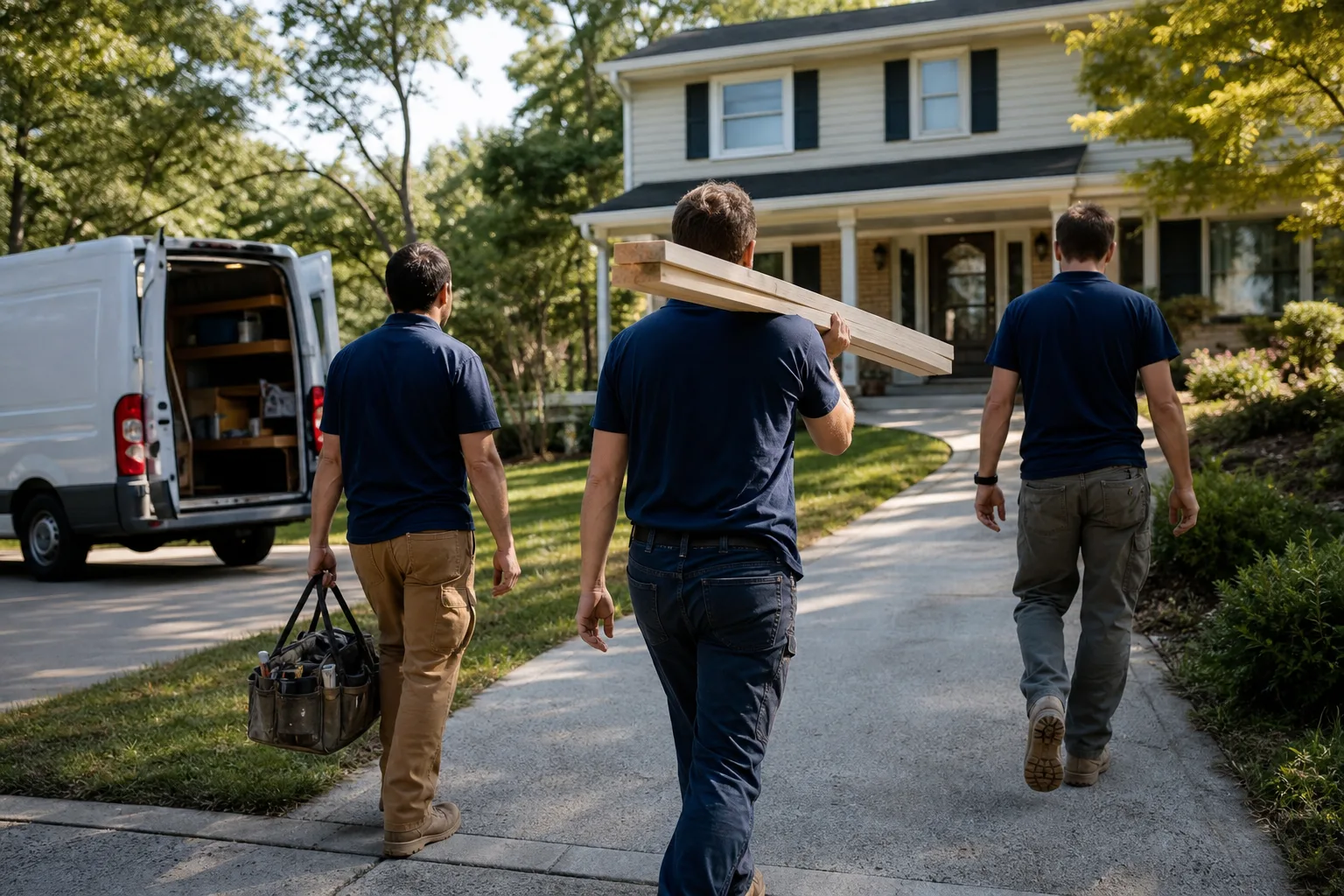
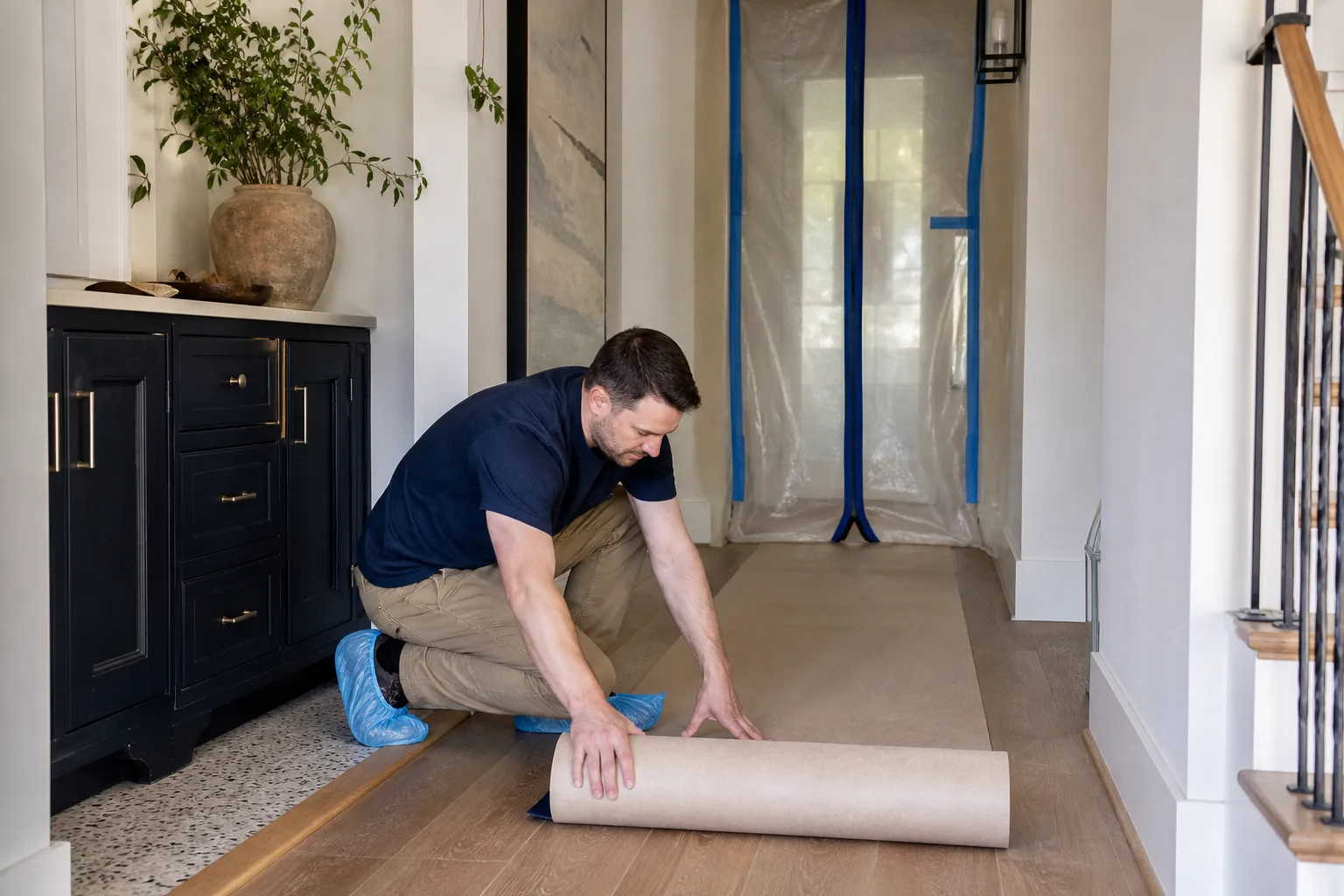
- Opening the door to an unverified crew. If you can’t confirm by name and photo exactly who is coming before they arrive, don’t schedule. The Threshold Standard exists for this reason: every crew member is identity-verified, and you learn their name and see their photo before the visit.
See the difference
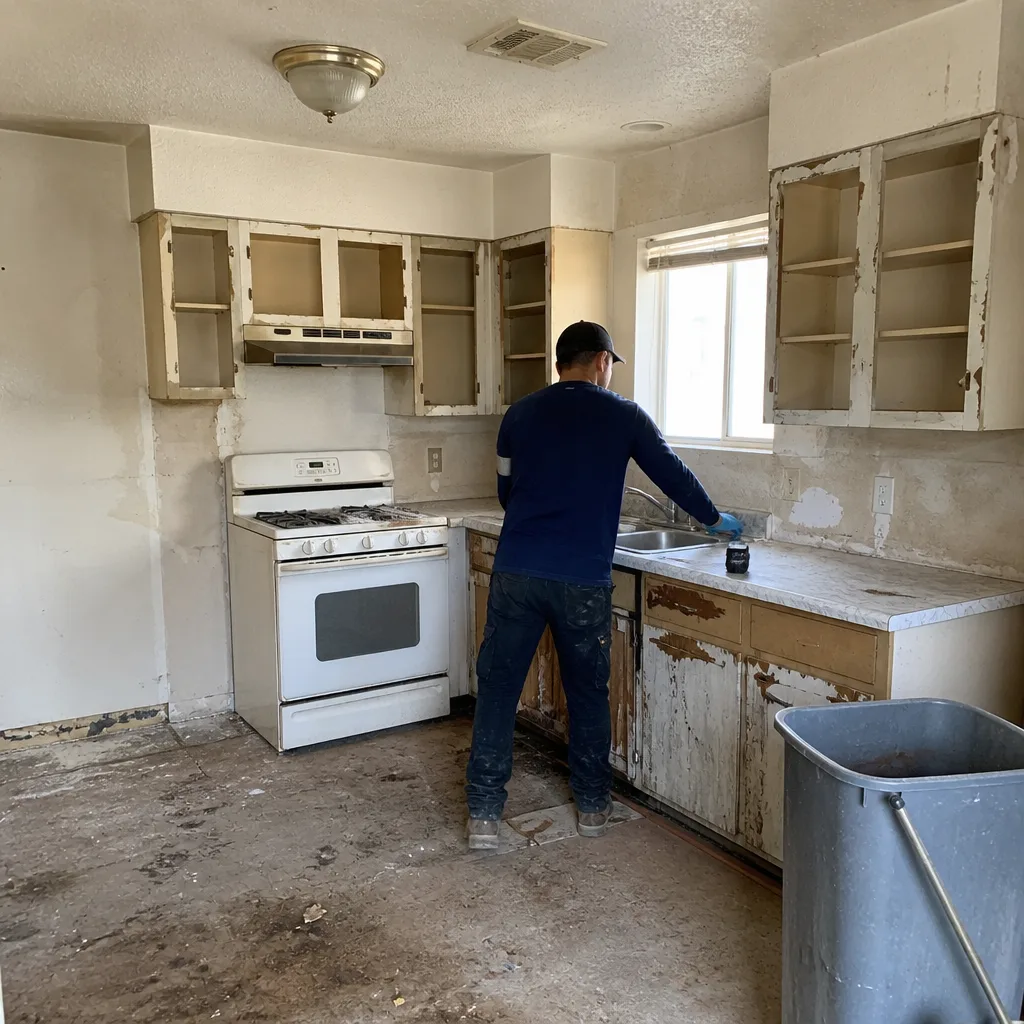 Before
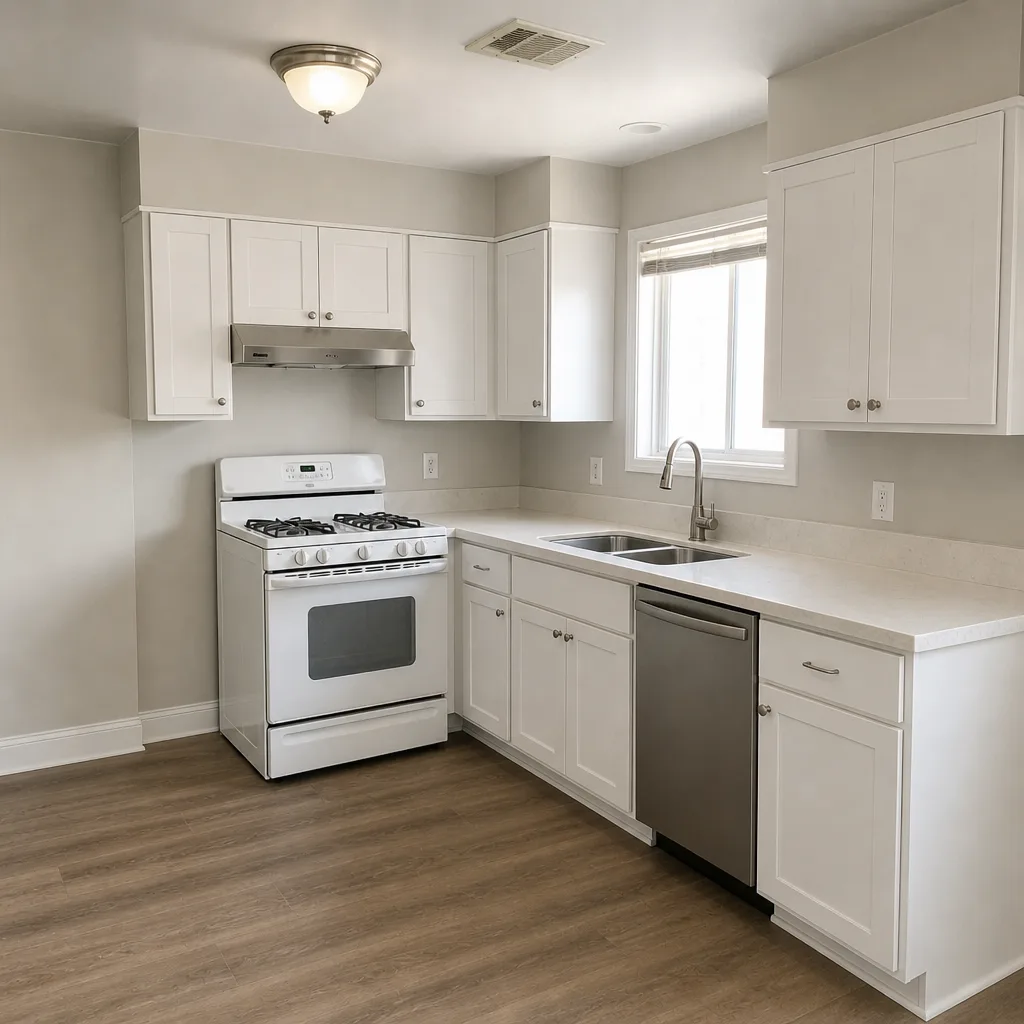 After
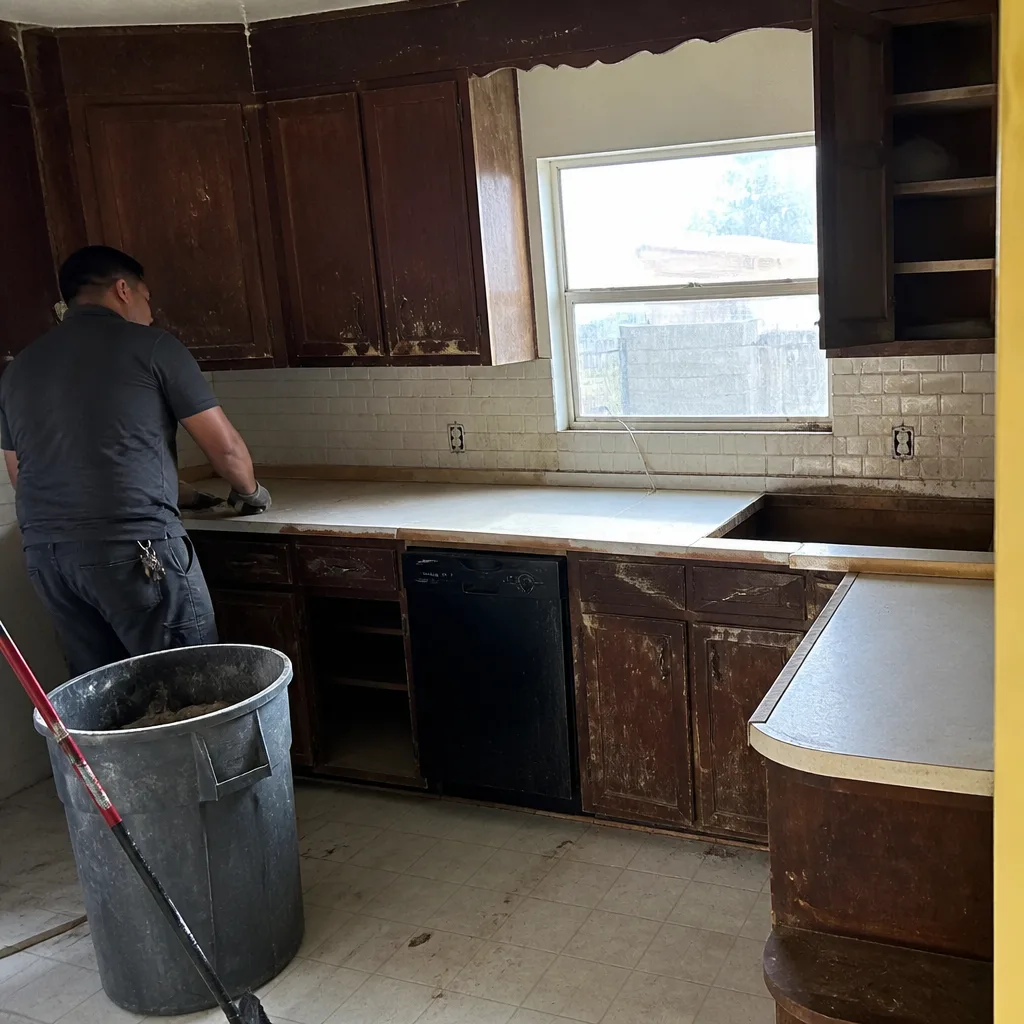 Before
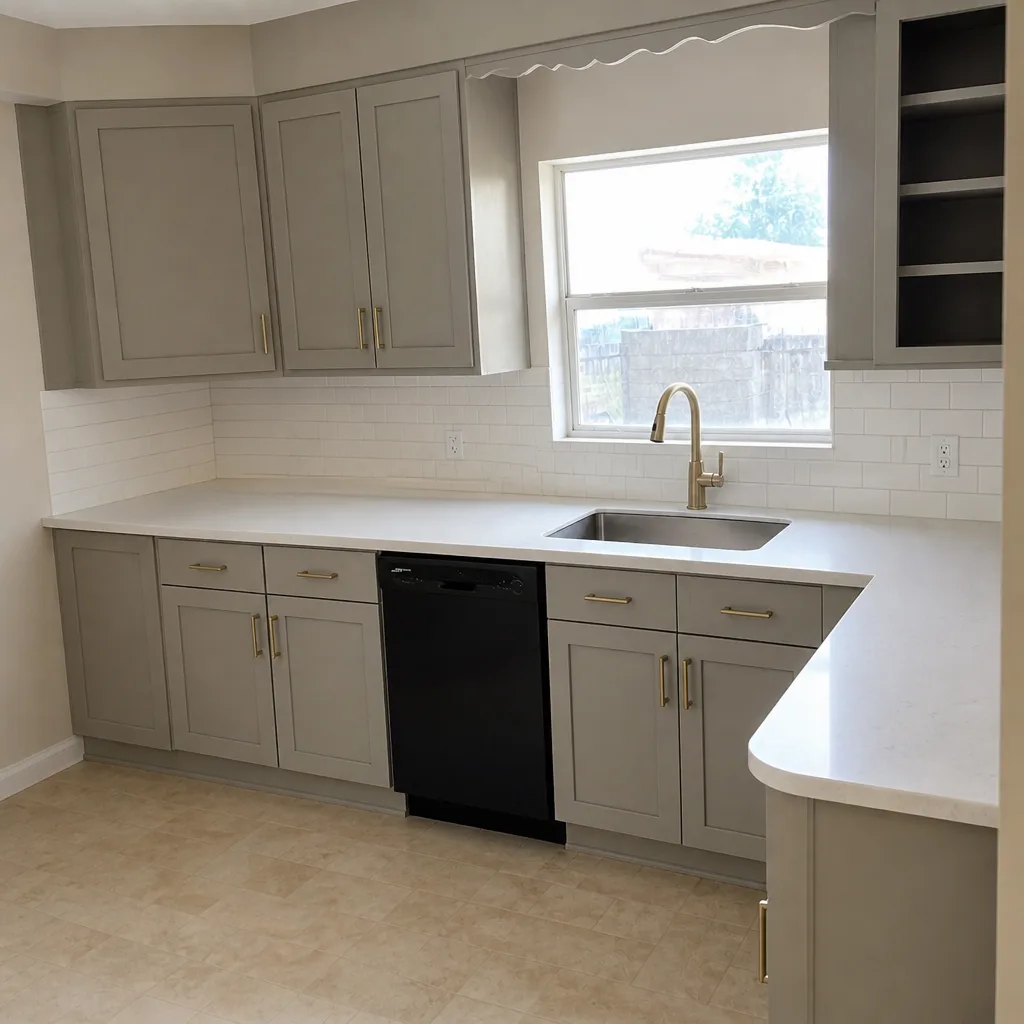 After
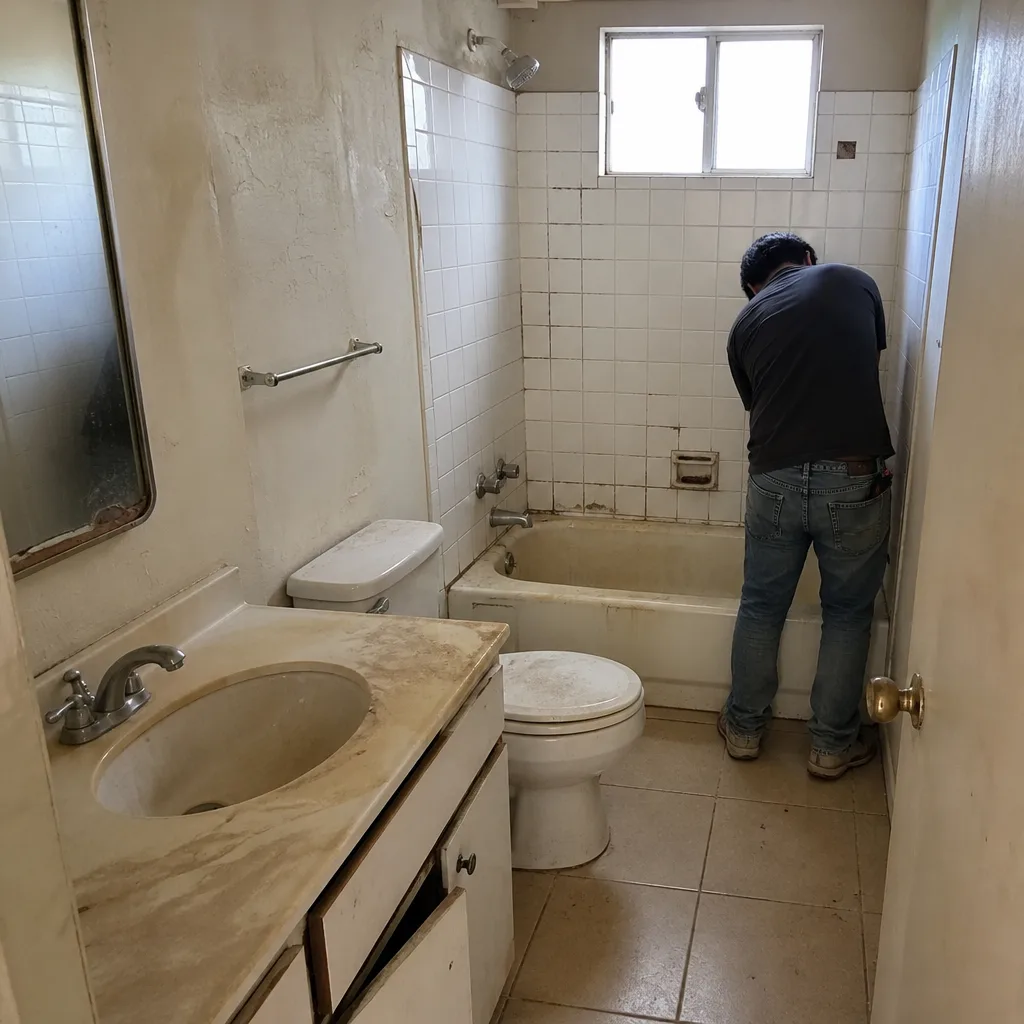 Before
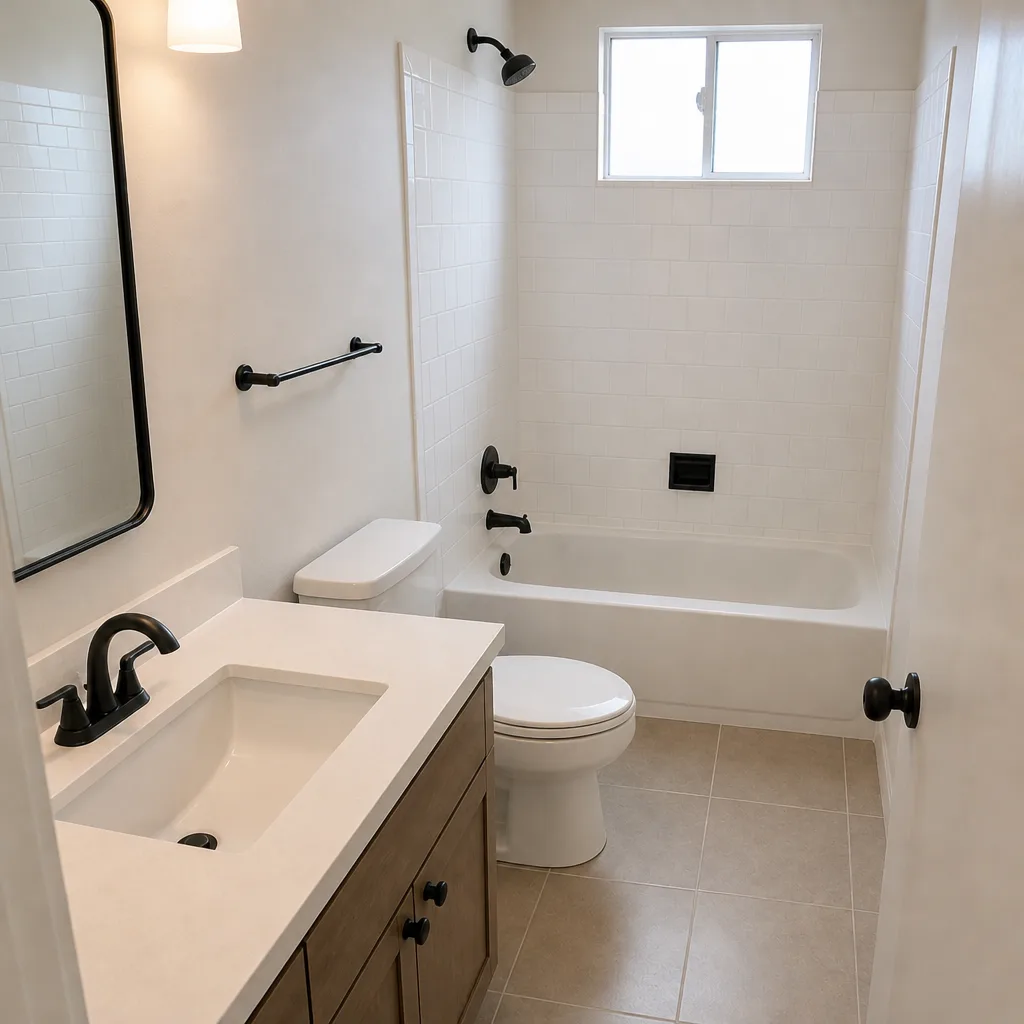 After
When to Call a Professional
Call a licensed contractor when a warning sign is getting worse, when two or more signs appear together, when a crack exceeds a quarter inch, when doors or windows stop working, when water is actively entering, or when you have any safety concern at all – gas, electrical, or a roof you shouldn’t be on. Don’t spend a season monitoring a problem that’s already moving. When the fix is a real repair, the right professional puts the price in writing before any work starts and stands behind the work with a written guarantee. At Mason Remodeling Sunrise Manor, free estimates in Sunrise Manor are how we begin – call (855) 606-6122 and describe what you’re seeing, with photos if you have them.
Frequently Asked Questions

A crack is serious if it stair-steps through block courses, has a visible offset where one side sits proud of the other, is wider than a quarter inch, or keeps growing over 90 days. Straight hairline cracks that open in afternoon heat and close overnight are usually thermal and cosmetic.
In our experience, moisture intrusion behind stucco and under the slab is the most common hidden problem in Sunrise Manor homes, followed by roof and attic heat damage from summer attic temperatures that regularly reach 150 degrees and above. Both run quietly for years before visible damage appears.
It shouldn’t. A written price is the standard, and you should insist on it before any work begins – not a verbal estimate, not a range. If a contractor won’t put the price in writing first, that’s your warning sign before the job even starts. Call (855) 606-6122 for a written estimate.
Ninety days is the practical window for a small, unchanged crack. Mark the crack ends with a pencil and date, photograph it from the same angle every few weeks, and if it grows or a second sign appears alongside it, call before the 90 days are up rather than waiting.
Structural and foundation repairs almost always require a permit, and any licensed contractor should pull it and pass inspection before the job is closed out. Ask the question before you sign – a professional who pulls permits and passes inspections will tell you so in writing.
An inspection to assess warning signs typically costs nothing when it’s tied to a free estimate, and the cost of the actual repair depends on what’s found – a cosmetic patch is a fraction of the cost of structural work. Call (855) 606-6122 for a free estimate and a straight answer on scope.
If your warning signs turn into a bigger project, the same care applies to kitchen remodeling in Sunrise Manor and to any hardscaping that touches the house, where we work with professional-grade pavers from makers like Techo-Bloc and Unilock so the exterior and the foundation stay properly sealed.
The Bottom Line
The most expensive construction problems in Sunrise Manor homes are the ones you can’t see for years: thermal cracks behind stucco, moisture under the slab, decking softening from attic heat. You don’t need a contractor’s license to read the early signals. Learn the three-factor crack test – location, pattern, timing. Watch for the desert-specific clues: efflorescence, racking door frames, attic heat damage. Track the interior signals that come first: nail pops, grout separation, floor gaps. Then use the 90-day rule and dated photos to tell monitoring from a phone call. Document with scale, catch the pattern, and call when it moves.
If the signs point to real repair or remodeling work, Mason Remodeling Sunrise Manor delivers a written price before any work starts, a live person on the phone around the clock, and the 365-Day Done Right Promise on every project – if something isn’t right within a year, we return and make it right at no cost. Call (855) 606-6122 for your free estimate.
Written by the team at Mason Remodeling Sunrise Manor.