Last updated November 17, 2026







Free written scope consultation - allowances, timeline, and change-order rules on paper before a single trade is scheduled
Seasonal Construction Care for Sunrise Manor: Year-Round Homeowner’s Guide
Winter is the best construction season in Sunrise Manor, and almost nobody uses it. Most homeowners here wait for spring, book their kitchen or bathroom remodel in April, and then spend July watching a crew work around 112°F afternoons while stucco cures too fast and exterior paint flashes before the roller is back in the tray. Sunrise Manor doesn’t run on four seasons. It runs on three construction windows: extreme heat, monsoon, and a mild winter that most contractors would fight over if more homeowners understood it. This guide covers what to seal, test, inspect, and schedule through each window, plus how desert thermal expansion quietly wrecks tile, caulk, and paint without ever showing a warning sign first.
Quick Answer
Seasonal construction care in Sunrise Manor follows three windows, not four: pre-summer prep in March through May (seal, test, inspect before the heat locks in), monsoon defense from July through September (drainage, roof, and stucco checks before the first real storm), and a winter construction season from November through February that’s the best time of year to schedule remodels. Desert thermal expansion is the thread running through all of it, because the 40-to-50-degree swing between a July afternoon and a January night expands and contracts every tile joint, caulk line, and painted surface on your house.
Styles & brands we work with
- Kitchen remodeling
- Bathroom remodeling
- Home additions & ADU
- Roofing
- Windows & doors
- Driveway & pavers
- Fence
Table of Contents
- Pre-Summer Prep: What to Seal, Test, and Inspect Before June
- Monsoon Season: Drainage, Roof, and Stucco Checks
- Winter Construction Advantages: Why November Through February Wins
- How Thermal Expansion Creates Desert Failure Points
- Interior Systems: What the Heat Does Indoors
- Your Seasonal Log Template
- Common Mistakes to Avoid
- When to Call a Professional
Pre-Summer Prep: What to Seal, Test, and Inspect Before June
The work you do between March and May decides how your house handles June, July, and August. Once the overnight low stops dropping below 80°F, sealants cure too fast to bond properly and exterior paint skins over before it can adhere. That’s a chemistry problem, not a scheduling preference. Get the sealing done in spring or wait until October.
Here’s the order we recommend, and it’s the same order regardless of whether you’re in a 1990s tract home off Nellis or a newer build near Hollywood Boulevard:
- Walk the roof line from the ground with binoculars. Look for lifted shingle tabs, granule loss in gutters, and cracked flashing around the vents. Note anything that looks off before you call anyone. If your roof is asphalt shingle, Tamko and similar manufacturers publish expected service life by climate zone, and the Mojave sun pushes shingles toward the short end of it.
- Test every exterior hose bib and irrigation line. A slow drip at a hose bib is a $15 repair in April and a $400 stucco repair by August, because water running down a stucco wall wicks into the lath behind it.
- Re-caulk every exterior joint. Windows, door frames, hose bibs, and the joint where stucco meets the slab. Use a polyurethane caulk rated for exterior use, not silicone. Silicone won’t take paint and it fails faster in UV.
- Check the attic. Sunrise Manor attics regularly hit 150°F in July. Look for crushed or missing insulation, and confirm your ridge and soffit vents are open. A clogged soffit vent turns an attic into an oven and pushes your AC to work against itself all summer.
- Book the big projects now. If you’re planning a Bathroom Remodeling in Sunrise Manor or a full kitchen, spring is when good crews fill their winter calendar. Calling in April for a January start gets you the pick of the schedule.
The single most overlooked item on this list is the hose bib test. In our experience, a failed hose bib connection is one of the most common causes of stucco water intrusion we see in Sunrise Manor, and it almost always starts as a drip nobody noticed in April.
Monsoon Season: Drainage, Roof, and Stucco Checks
Monsoon season runs roughly July through September, and it delivers a full year’s worth of water in a handful of violent storms. Sunrise Manor gets the same treatment as the rest of the valley: 20 minutes of hard rain, then dry. That pattern is exactly what breaks desert homes, because the ground is baked hard and won’t absorb water fast enough. It runs instead.
Stucco construction is the specific local concern. Stucco is a cement-based skin over wire lath and a weather-resistant barrier. It’s an excellent desert material in the dry months and a liability in the wet ones, because hairline cracks that open in the summer heat let water in behind the barrier during a monsoon storm. Once water is behind stucco, it can’t easily get out, and you won’t see it until a stain appears on an interior wall or the stucco itself starts to bubble.
Before the first storm, check these in order:
- Grading. The ground should slope away from the foundation on every side, at least six inches of fall over the first ten feet. If it’s flat or sloping toward the house, that’s the first thing to fix, and it’s cheaper than any repair it prevents.
- Drainage paths. Follow the water. Where does the roof discharge, and where does that water go? A downspout that dumps against the wall is a monsoon problem waiting to happen.
- Stucco cracks. Walk the exterior and look for cracks wider than a credit card edge, especially around windows and doors. Those are the ones that need sealing before the storms.
- Window and door flashings. These are the weak points. Water almost always gets in at a penetration, not through a field of stucco. Check the flashings above every window and door.
- Patio covers and hardscape. Check that footings haven’t heaved and that pavers haven’t shifted. Belgard and Unilock products are built for this climate, but the base under them still has to drain.
If you’re adding hardscape, ask specifically about drainage before the installer breaks ground. A paver patio that pools water against the house is worse than no patio at all.
Winter Construction Advantages: Why November Through February Wins
This is the part of the calendar most homeowners here never use. From November through February, Sunrise Manor sees mild days, cool nights, and almost no rain. For construction, that’s close to ideal. Concrete cures slowly and evenly instead of flash-drying. Stucco goes on and cures without the sun pulling the moisture out before it sets. Paint adheres properly. Crews work full days instead of knocking off at noon because the roof is too hot to touch.
The practical result: a winter project typically runs weeks shorter than the same project started in June. Not always, and not by a guarantee, but the difference is real and consistent. Schedules also loosen up, because spring and summer are when everyone else books.
The counterintuitive move is to book your winter project in spring or early summer. Here’s how the timeline works in practice:
- March through May: get your estimates and lock in a start date. A written price up front matters most here, because you’re committing months ahead. Every Mason Remodeling project comes with a written price before any work starts, which means the number you budget in April is the number you pay in December.
- June through September: design decisions, material selections, permits. Sunrise Manor falls under Clark County permitting for most residential work, and getting the permit pulled early keeps the winter window clear.
- October: final walkthrough and material delivery. This is when you confirm cabinetry and surface lead times so nothing stalls the start.
- November through February: build. This is the window you’ve been working toward.
One caveat worth knowing: don’t let a winter start tempt you to skip the pre-summer prep on the following year. Winter construction doesn’t replace seasonal maintenance. It just gives the big project a better runway.
How Thermal Expansion Creates Desert Failure Points
Sunrise Manor sees a 40-to-50-degree swing between a July afternoon and a January night. That swing is the single biggest driver of failure in desert homes, and it doesn’t announce itself. Materials expand in the heat and contract in the cool, and every joint, seal, and coating has to move with them or crack.
Where you’ll see it:
- Tile. Floor and wall tile move with the substrate. When the substrate moves and the tile doesn’t, you get cracked grout lines, then loose tile. A Schluter strip (the metal trim that seals the edge where tile meets flooring or a wall) helps manage movement at the perimeter, but it can’t compensate for a substrate that wasn’t prepared for the swing.
- Caulk. Every bead of caulk around windows, doors, and fixtures will eventually fail in this climate. Silicone holds up to UV better than latex, which is why it’s the better choice in wet areas. Polyurethane is the better choice at exterior joints that get painted.
- Exterior paint. Paint on a south- or west-facing wall takes the worst of it. It chalks and fades faster than paint on a north wall, and it will eventually crack along the stucco’s natural control joints. That’s not a paint defect. That’s the wall moving under the paint.
- Roof fasteners. Expansion loosens fasteners over time. That’s why a roof inspection after a hard summer is different from a roof inspection in March. Check for backed-out fasteners, not just missing shingles.
- Windows and doors. Frame movement shows up as sticking doors in August that work fine in January. That’s not warping. That’s normal expansion, and it’s usually a sign the frame is fine but the seal or the threshold is telling you something.
Window frames themselves matter here too. PGT and similar manufacturers make frames specifically rated for high-heat climates, and if you’re replacing windows in Sunrise Manor, ask for the temperature rating, not just the wind rating.
Interior Systems: What the Heat Does Indoors
Seasonal care isn’t only an exterior job. The same thermal stress that cracks stucco outside runs through the interior of the house, and it shows up on a different schedule.
In spring, before the AC runs flat out, replace the HVAC filter and check the condensate drain line. A clogged condensate line in July is one of the most common causes of water damage we see on interior walls, and it usually shows up as a stain near the air handler, not as a drip you can see. Have the AC serviced in April or May, not July. Every HVAC company in the valley is booked solid by July.
Check under every sink for signs of a slow leak. P-traps and supply lines handle summer heat differently than in cooler climates, and the plastic supply lines that feed a toilet or a sink wear faster in high heat. This is a 15-minute inspection once a year that catches most of the small leaks before they turn into a cabinet replacement.
Water heater: flush it once a year. Sunrise Manor’s water runs hard, and sediment build-up shortens tank life. An annual flush is cheap and it’s the single highest-return maintenance item in the house for most homeowners.
If you’re planning a larger project, winter is also the safer season for interior work because there’s no risk of a crew opening a wall while a monsoon is bearing down. A General Contractor in Sunrise Manor can sequence the trades so no part of the house is exposed to weather when it shouldn’t be.
Your Seasonal Log Template
Every maintenance item in this guide is easier to keep up with if you track it in one place. You don’t need software. A notebook on the kitchen counter works. What matters is that you can answer two questions a year from now: what did I do, and who did it?
Here’s the template we recommend. Copy it into a notebook or a spreadsheet and add a new entry each time you check something off.
| Date | Task | Window | Done By | Notes / Follow-Up |
|---|---|---|---|---|
| Example: 04/12 | Exterior hose bib test | Pre-summer | Self | Rear bib drips, sealant applied, recheck in fall |
The key columns are “window” and “done by.” The first tells you whether a task is spring-sensitive (sealing, caulking, HVAC service) or fall-sensitive (roof check, drainage inspection). The second tells you who to call next year if the same issue recurs. When a contractor comes out, note the name on the log. It’s a small habit that turns a pile of receipts into a history.
What to Record After Any Contractor Visit
- The date and what the crew was there to do
- What they found that you didn’t already know
- Anything they recommended but you declined, so you can revisit it next season
- The written price you were quoted, so you can compare it against next year’s quote
- Any warranty or guarantee terms, and where the paperwork lives
That last one matters. At Mason Remodeling, every completed project comes with a written guarantee with stated terms: what’s covered, what’s excluded, and for how long. Keep that document in the same folder as the log. It’s the record a future buyer will want, and it’s the fastest way to know whether a new problem is your problem or ours.
Common Mistakes to Avoid
- Scheduling big projects in spring and summer. The heat slows everything down and the crews are busiest. Book the winter window instead, and start the conversation in March.
- Caulking exterior joints in June. Sealant cures too fast in high heat and it fails early. Wait for the cool nights to return, or do it in spring.
- Ignoring a hairline stucco crack. A crack the width of a credit card edge is the entry point for monsoon water. Seal it before July, not after a stain appears on an interior wall.
- Letting water pool against the foundation. Flat or reverse-sloping grading is the number one monsoon damage risk we see in Sunrise Manor. Six inches of fall over ten feet, every side of the house.
- Servicing the AC in July. By then, every HVAC company in the valley is fully booked. Do it in April or May, and replace the filter before the first 100°F day.
- Skipping the winter roof inspection. Most homeowners check for roof damage after a storm. Check it in November, before monsoon season. Catching a damaged flashing in December saves an interior repair in August.
- Accepting a verbal estimate. A verbal number in April is not a number in December. Insist on a written price before work starts, on every project, no exceptions.
When to Call a Professional
Some tasks are homeowner jobs. Changing an HVAC filter, flushing a water heater, caulking a window, testing a hose bib: none of those need a professional, and we’d rather you keep that money in your pocket. Others genuinely do need one. Structural stucco damage, a roof that’s lost shingles or flashing, and any grade correction that involves moving dirt against the foundation are three that come to mind. Window and door replacement should also be a professional job in this climate, because the flashing and seal work is what makes or breaks the installation.
If you’re planning a larger remodel, the right time to call is months before you want the work done, not weeks. Free estimates are the starting point, not the finish line, and a written price up front means you know where you stand before you commit. Mason Remodeling Sunrise Manor offers free estimates in Sunrise Manor. Call (855) 606-6122 and we’ll walk the property with you, tell you what’s actually urgent and what can wait, and give you the number in writing.
See the difference
 Before
 After
 Before
 After
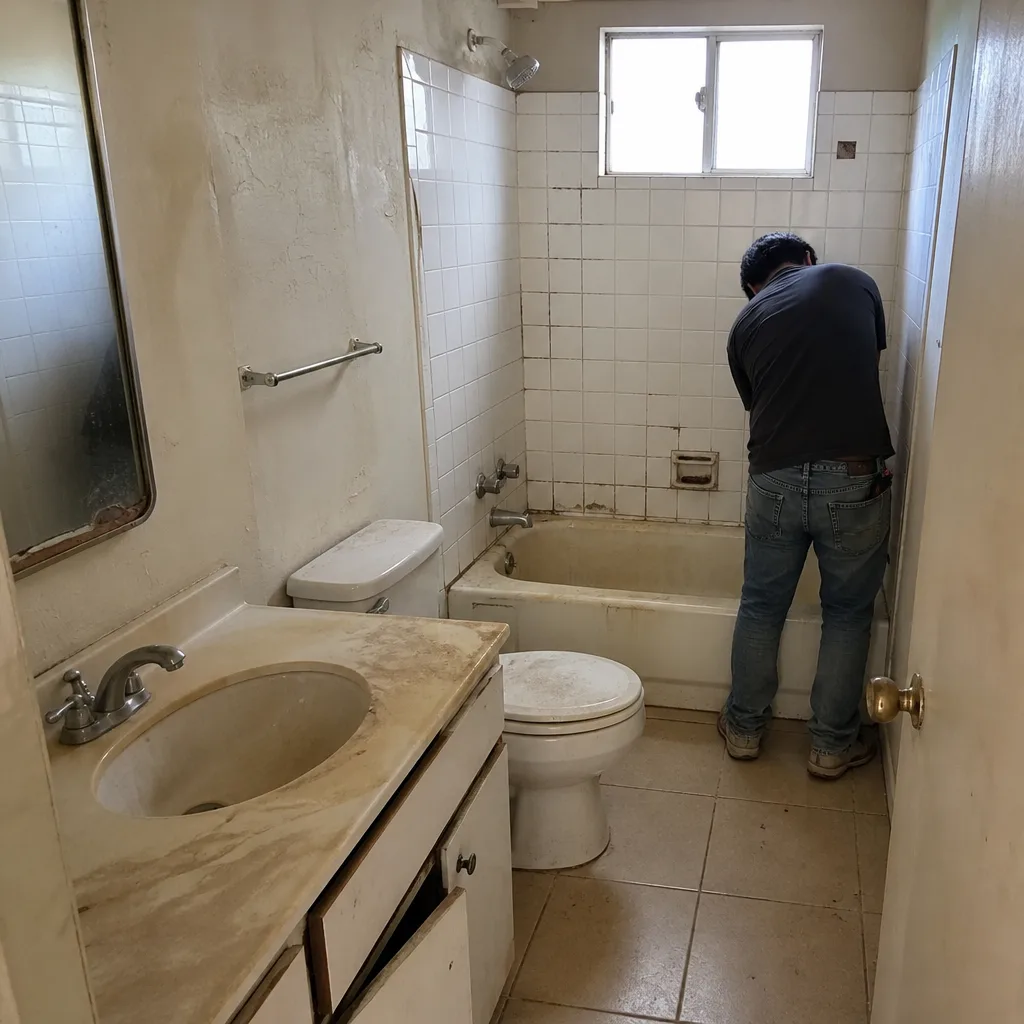 Before
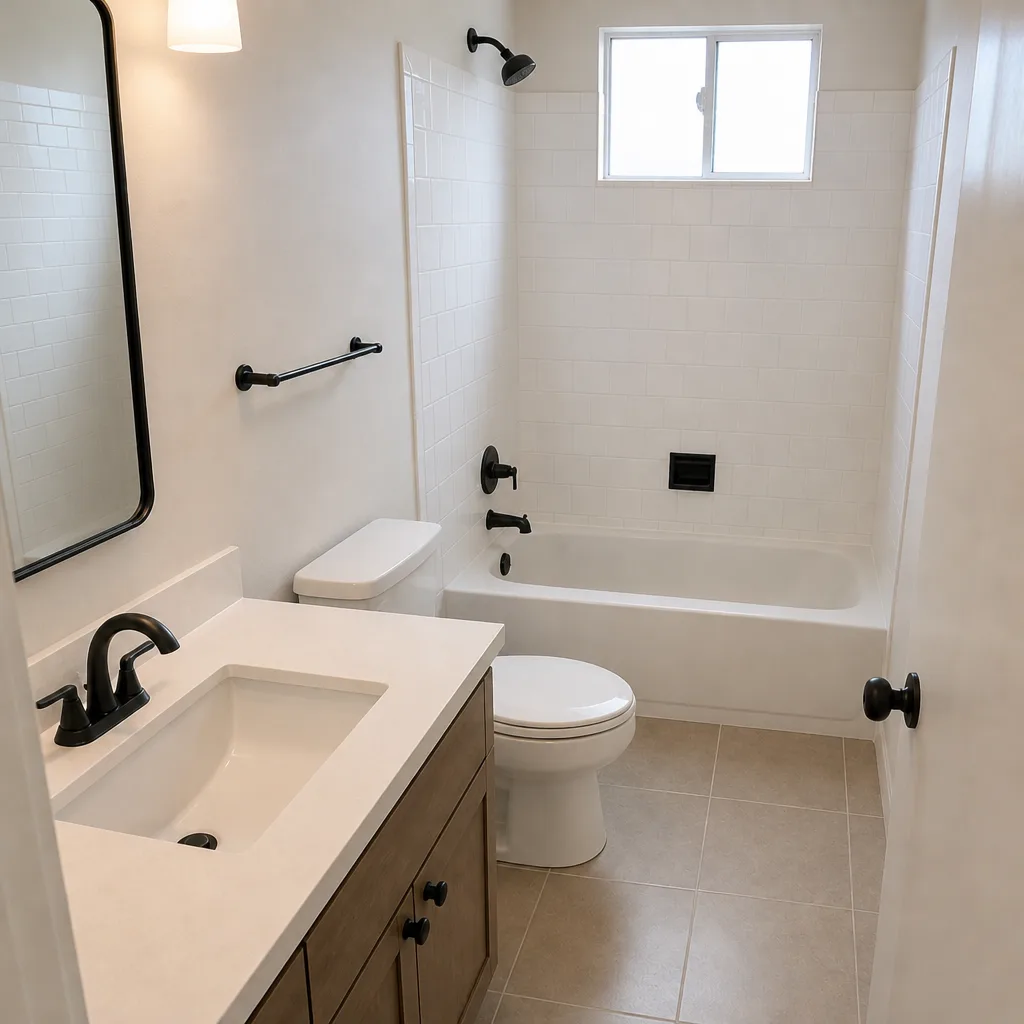 After
Frequently Asked Questions

Winter, roughly November through February. The mild temperatures let concrete, stucco, and paint cure properly instead of flash-drying, and crews work full days without knocking off in the afternoon heat. Call in March or April to lock in a winter start, because that’s when the best calendar slots get claimed.
Spring or fall, never in the summer heat. Sealant cures too fast when daytime temperatures are above 95°F, and it fails early. Do it in March or April, or wait until October. Use polyurethane at painted exterior joints and silicone in wet areas.
A DIY walk-around costs nothing and catches most issues. Professional cleaning and inspection of the roof typically runs $250 to $600 depending on roof size and pitch. Grade correction is the larger item, usually $800 to $2,500 for a whole-house re-grade, because it involves moving significant dirt. Call (855) 606-6122 for an exact quote on any of it. Estimates are free.
Both, but before matters more. A November or December inspection catches loose flashing and backed-out fasteners before monsoon season can get to them. A post-monsoon check in October confirms nothing shifted over the summer. If you only do one, do the pre-monsoon one in late fall.
Thermal expansion. Stucco moves with the temperature swing between a July afternoon and a January night, and paint doesn’t stretch with it, so it cracks along the natural control joints. It’s not a paint defect and it’s not a stucco defect. It’s the climate. Repaint the south and west walls more often than the north and east walls, and expect the difference to be noticeable.
No. A written price is a written price. The difference is the schedule, not the number. In fact, working a winter project is often cheaper in real terms, because you’re not paying for heat-related delays, re-work, or rush fees. Confirm the price in writing before any work starts and the calendar won’t change it.
The Bottom Line
Sunrise Manor runs on three construction windows, not four. Seal, test, and inspect in spring before the heat sets in. Defend against monsoon in July through September with grading, drainage, and stucco checks. Build in winter, when the desert is at its most cooperative. Run the whole thing off a simple log, so next year’s decisions start from a record instead of a guess. Thermal expansion is the thread running through every one of those windows, and the failure points it creates in tile, caulk, and paint are predictable, which means they’re preventable. The homeowners who get the most out of their house here are the ones who work with the calendar instead of against it.
If you’d rather not do the walk-around alone, or if you’re ready to plan a winter project, we’re a phone call away. Mason Remodeling Sunrise Manor handles kitchens, baths, and whole-home remodels across Sunrise Manor, and every project starts with a free estimate and a written price before anything else happens. Visit Mason Remodeling Sunrise Manor home to see how we work, or call (855) 606-6122 to schedule your free estimate. If a kitchen is on your winter list, start with Kitchen Remodeling in Sunrise Manor.
Written by the team at Mason Remodeling Sunrise Manor.