Last updated November 17, 2026







Free written scope consultation - allowances, timeline, and change-order rules on paper before a single trade is scheduled
DIY vs Professional Home Remodeling: What’s Safe to Do Yourself
A YouTube tutorial can teach you to tile a backsplash in 20 minutes. It won’t tell you that nicking the vapor barrier behind that wall voids your homeowner’s insurance claim if moisture damage shows up two years later. That gap between what a video shows and what your policy actually covers is where most DIY disasters start. Here in Sunrise Manor, where slab-on-grade homes and desert-dry summers hide slow leaks and quick temperature swings, the stakes are higher than they look. This guide draws the line by liability and hidden-system risk, not by difficulty, and shows you exactly which tasks reward a weekend of your time and which ones can quietly cost you a claim, a permit, or a five-figure redo.
Quick Answer
Safe DIY work is cosmetic, reversible, and touches nothing behind the wall: painting, swapping hardware, hanging shelving into studs, and refreshing caulk. Anything that moves water, gas, or electricity, changes a wall’s structure, or requires a permit is a professional’s job, and in Clark County a surprising number of these tasks are illegal to do unpermitted. Get this wrong and the real cost isn’t the labor, it’s the failed inspection, the voided insurance claim, or the licensed contractor who has to undo your work before starting their own.
Styles & brands we work with
- Kitchen remodeling
- Bathroom remodeling
- Home additions & ADU
- Roofing
- Windows & doors
- Driveway & pavers
- Fence
Table of Contents
- The Permit Triggers Most Homeowners Get Wrong
- A Liability-First Framework: Cosmetic vs. Structural
- The Four Genuinely Safe DIY Finishing Tasks
- The Hidden Cost of a DIY Repair You Have to Undo
- Why Mixing DIY and Professional Work Complicates Your Warranty
- How Your Homeowner’s Insurance Actually Responds to DIY Damage
- Common Mistakes to Avoid
- When to Call a Professional
The Permit Triggers Most Homeowners Get Wrong
Clark County building rules catch out more do-it-yourselfers than any skill gap ever will. Plenty of tasks homeowners assume are “just cosmetic” actually require a permit and a passed inspection, and doing them unpermitted can force you to tear the work out when you sell or refinance. In Sunrise Manor, older homes built through the 1970s and 1980s are the ones most likely to hit these rules, because their wiring and plumbing run behind walls in ways that make a small change more involved than it looks.
Here are the permit triggers that surprise people most:
- Any new or relocated electrical outlet, switch, or circuit. Adding an outlet for a new appliance counts as electrical work that needs inspection, even though the wall patch looks like a paint job.
- Replacing a water heater. The unit, the pressure relief valve, and the venting all need to meet current code, and Nevada requires inspection.
- Moving or adding a bathroom fixture. Relocating a toilet, sink, or shower drain touches the drain-waste-vent system, which is inspected.
- Removing or adding any wall. Even a wall you’re sure is non-load-bearing has to be confirmed as such, and removing one changes your home’s structural documentation.
- Window replacement. New windows must meet energy code and be installed with proper flashing; this gets inspected because it affects the building envelope.
- Any new gas line or gas appliance connection. Gas work is licensed-trade only, full stop.
If you’re unsure whether your project needs a permit, the safe move is to ask before you swing a hammer, not after. Our general contractor in Sunrise Manor pulls permits and passes inspections as a normal part of every project, so you never have to guess. The inspection record also protects you at resale: buyers and appraisers look for it.
A Liability-First Framework: Cosmetic vs. Structural
Most DIY guides ask “can you do this?” The better question is “what happens if you get it wrong?” That reframing sorts every task into one of two buckets, and the bucket decides whether it’s worth your weekend.
Cosmetic mistakes are cheap to fix. A bad paint line, a crooked shelf, a lumpy caulk bead. The worst case is you redo it or you live with it. Nobody gets hurt, nothing gets hidden, and your insurance company never hears about it. These tasks are reversible, don’t touch hidden systems, and don’t require inspection.
Structural, electrical, and water mistakes are expensive because they hide. A slow leak behind a shower wall can run for years before you see a stain. A nicked wire inside a wall can arc without tripping a breaker until it doesn’t. A missing vapor barrier traps moisture inside the assembly. By the time the problem surfaces, you’re not fixing a mistake, you’re opening up a wall and rebuilding what’s behind it. And here’s the part most homeowners miss: many policies exclude water damage from work that wasn’t permitted or wasn’t done by a licensed trade. The repair isn’t just expensive, it’s often uncovered.
Our rule of thumb, formed over years of fixing what happens when this line gets crossed in Sunrise Manor: if a mistake could be hidden behind a wall, under a floor, or inside a panel, it’s a professional’s job. If it’s visible and removable, it’s fair game.
The Four Genuinely Safe DIY Finishing Tasks
Once the rough-in work is done and inspected, there’s real money and satisfaction in finishing the job yourself. These four tasks are low-risk, reversible, and don’t touch hidden systems. In our experience, homeowners who take these on save a meaningful chunk of the finishing budget, and they enjoy the work because there’s nothing to be afraid of.
- Painting. The classic DIY win. Two coats of quality paint on a 12-by-14 room runs roughly $60 to $120 in materials and takes a weekend. Professional painting for the same room typically lands between $400 and $900. Just tape carefully and know that cutting in around a new countertop edge is fine; painting over the caulk line at a wet area is not.
- Hardware swaps. Cabinet pulls, door knobs, towel bars, and light fixture covers (not the wiring, just the decorative cover on a fixture that’s already installed) are screwdriver jobs. A full kitchen cabinet hardware swap might run $80 to $200 in hardware and two hours of your time versus $300 to $600 installed.
- Hanging shelving and mirrors. Anchored into studs, floating shelves and mirrors are straightforward. Use a stud finder, and for anything heavy in drywall, use the right anchors. This is a $30 to $80 job that runs $150 to $350 installed.
- Caulk touch-ups. Re-caulking around a tub, sink, or backsplash is a $10 to $25 tube of silicone and an hour of patience. It’s also the single best defense against water getting behind a finish, which is why it belongs on the safe list and not the “hire someone” list.
Notice what’s not on this list: any wiring, any plumbing connection, any tile that has to seal a wet area, and any drywall repair around a relocated fixture. Our kitchen remodeling in Sunrise Manor and bathroom remodeling in Sunrise Manor projects routinely hand the finishing tasks to the homeowner for exactly this reason.
The Hidden Cost of a DIY Repair You Have to Undo
Here’s the number that changes how people think about DIY: an “undo and redo” call in the Las Vegas metro typically costs $450 to $1,200 more than the same job done right the first time. That’s the price of a licensed contractor diagnosing what went wrong, removing your work, and starting over, and it’s a range we quote regularly because it happens regularly.
Why so expensive? Three reasons:
- Diagnosis isn’t free. If a shower pan leaks, the contractor has to find where before they can fix it. That means opening the wall or pulling tile, and the clock is running.
- Removal is real labor. Taking out a poorly set tile floor, a glued-down backsplash, or a DIY-installed vanity plumbing run takes time and careful work to avoid damaging what’s underneath.
- The first attempt can hide damage. A wrong wiring connection might have been “working” for a year, but it left heat damage in a junction box that now has to be replaced too.
Add in the permit and inspection you now need for work that should have had it in the first place, and a $600 DIY savings can turn into a $1,800 bill. In Sunrise Manor, where a lot of homes have older plumbing and wiring, the undo cost runs toward the high end of that range because the fixes touch more than one system. The lesson isn’t “never DIY.” It’s “DIY the part where a mistake is cheap.”
Why Mixing DIY and Professional Work Complicates Your Warranty
When you hire a remodeler and do part of the work yourself, the warranty question gets muddy fast. A professional warranty covers the work the professional did, but if a failure traces back to something you installed, the warranty conversation shifts. That’s not a reason to avoid DIY finishing, but it’s a reason to get the boundaries in writing before anyone picks up a tool.
Before you start, clarify these in writing:
- Which specific tasks are in the contract and which are yours. Name them plainly: “Homeowner will paint; contractor will not warrant paint finish.”
- What the warranty covers and for how long. Ask for terms stated as “365 days from the completion date” rather than a vague phrase, and make sure you understand what’s excluded.
- Whether your finishing work affects any part of the warranty. For example, if you caulk a shower incorrectly and water gets behind the tile, does the tile warranty still apply? Get the answer in writing.
- Who handles a repair call and at what cost. A solid warranty includes a free second visit if a repair or installation fails, with no charge and no dispute process.
This is exactly how we structure every project at Mason Remodeling Sunrise Manor. The Mason Remodeling Sunrise Manor home page lays out the 365-Day Done Right Promise: if the work isn’t right within a year of completion, we make it right at no cost to you. When DIY finishing is part of the plan, we spell out where our guarantee ends and your responsibility begins, on paper, before work starts. That clarity protects both of us.
How Your Homeowner’s Insurance Actually Responds to DIY Damage
Homeowner’s insurance is built to cover accidents, not unpermitted work or gradual damage that a professional would have caught. If water leaks from a shower you tiled yourself and the adjuster finds the pan wasn’t set to code, the claim for the water damage itself may still be denied or reduced, and the repair to the shower is almost certainly on you. That’s the liability line this whole guide is about, and it’s the one most DIY videos never mention.
What insurers tend to look at:
- Was a permit pulled? For work that required one, no permit is a red flag adjusters check.
- Was the work done by a licensed trade? For electrical, plumbing, and gas, this matters in most policies.
- Is the damage sudden or gradual? Policies routinely exclude “gradual” water damage, which is what a slow behind-the-wall leak becomes.
The practical takeaway: if your project could produce a claim, do it with a permit and the licensed trade. If it can’t, it’s probably on the safe DIY list. A quick call to your own insurer about your specific policy is always worth five minutes before a big project, because the terms vary by carrier.
Common Mistakes to Avoid
- Assuming tile is always DIY-safe. A decorative backsplash in a dry area is fine; a shower or floor is not. Waterproofing layers behind tile are where DIY failures hide for years before showing up.
- Skipping the permit to save time or fees. In Clark County, an unpermitted project can block a home sale or force a tear-out at refinance. The permit cost is cheaper than the unwinding.
- Replacing a light fixture by “just swapping wires.” Fixtures themselves can be swapped, but if there’s no junction box or the wiring is old, that’s when it needs a licensed electrician. In Sunrise Manor’s older homes, we see this constantly.
- Adding an outlet or moving a switch without a permit. It looks like a small job but it’s electrical work that gets inspected, and an unpermitted circuit is a claim risk.
- Starting a remodel without a written price from the pro. That’s how surprise invoices happen. A written price before any work starts should be standard, never an upgrade.
- Doing two systems’ worth of work in one weekend. Splitting your attention between plumbing and electrical is how mistakes happen. One project at a time.
- Not photographing the rough-in before closing up walls. You or the next owner will want to know where the studs, pipes, and wires are. Take pictures; it costs nothing and saves a lot later.
When to Call a Professional
Call a professional when the work touches water, gas, electricity, structure, or anything behind a wall, and any time a permit applies. Also call when the project is bigger than one weekend, when it involves more than one trade, or when you simply don’t have time to learn the code. A good remodeler will tell you which parts are safe to do yourself and put the rest in writing with a firm price before work begins. Our technicians have up to 22 years of experience, and they’ve seen every version of a DIY repair that went sideways. Mason Remodeling Sunrise Manor offers free estimates in Sunrise Manor and delivers a written price before any work starts, so you know the number before you commit. Call (855) 606-6122 to schedule yours.
See the difference
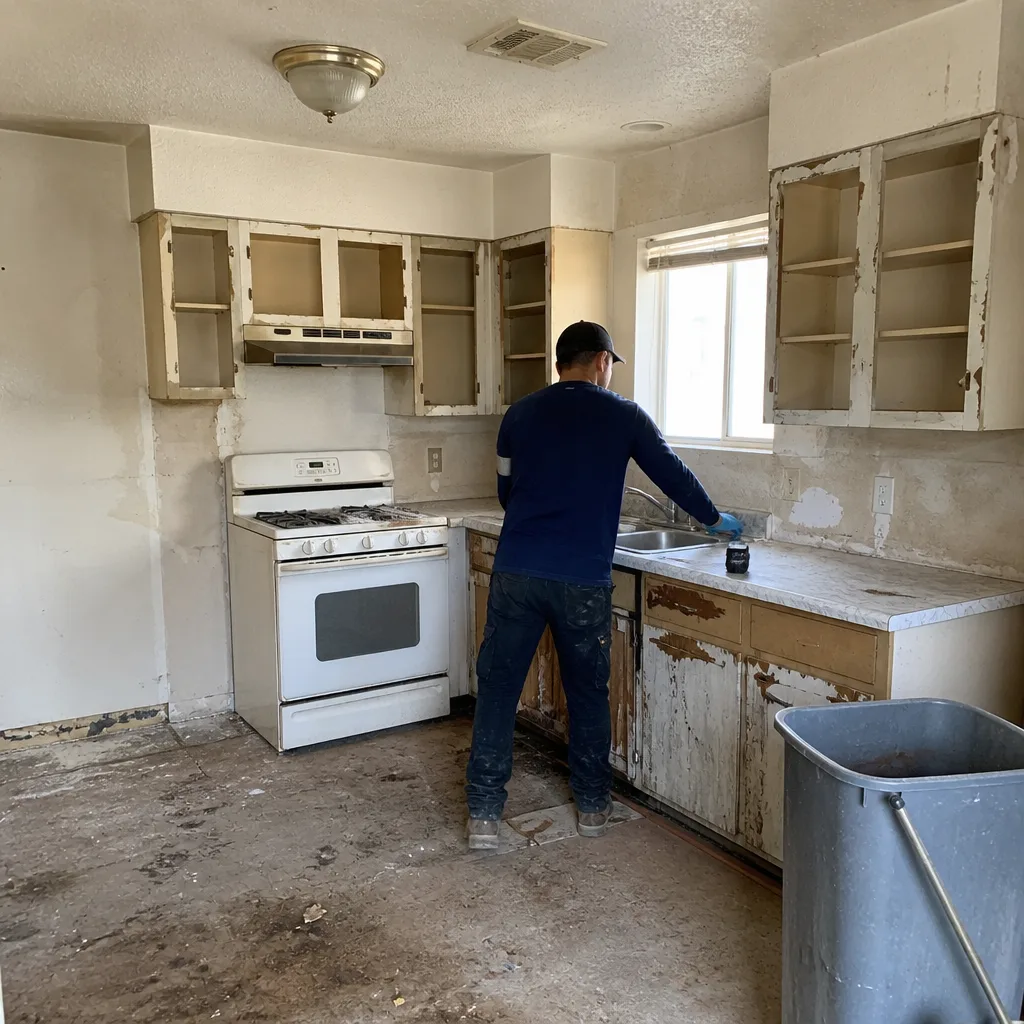 Before
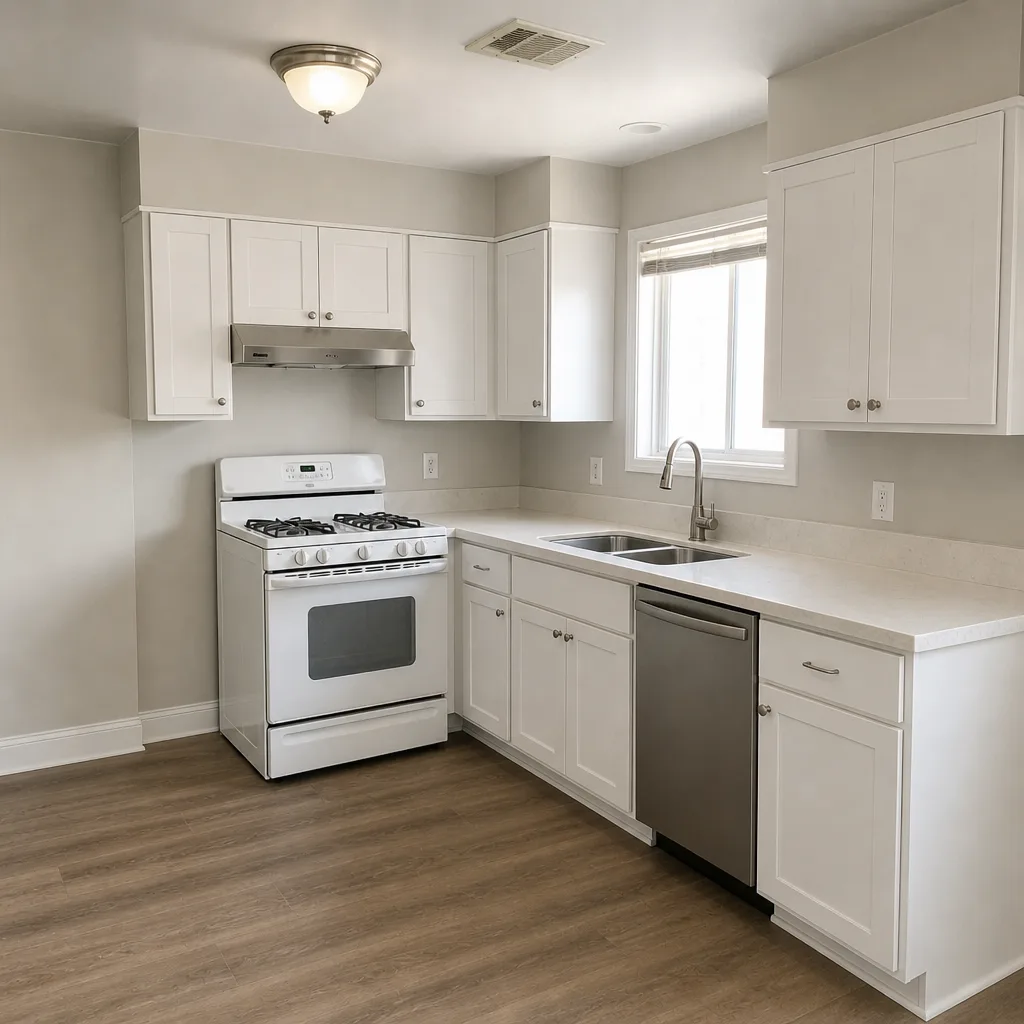 After
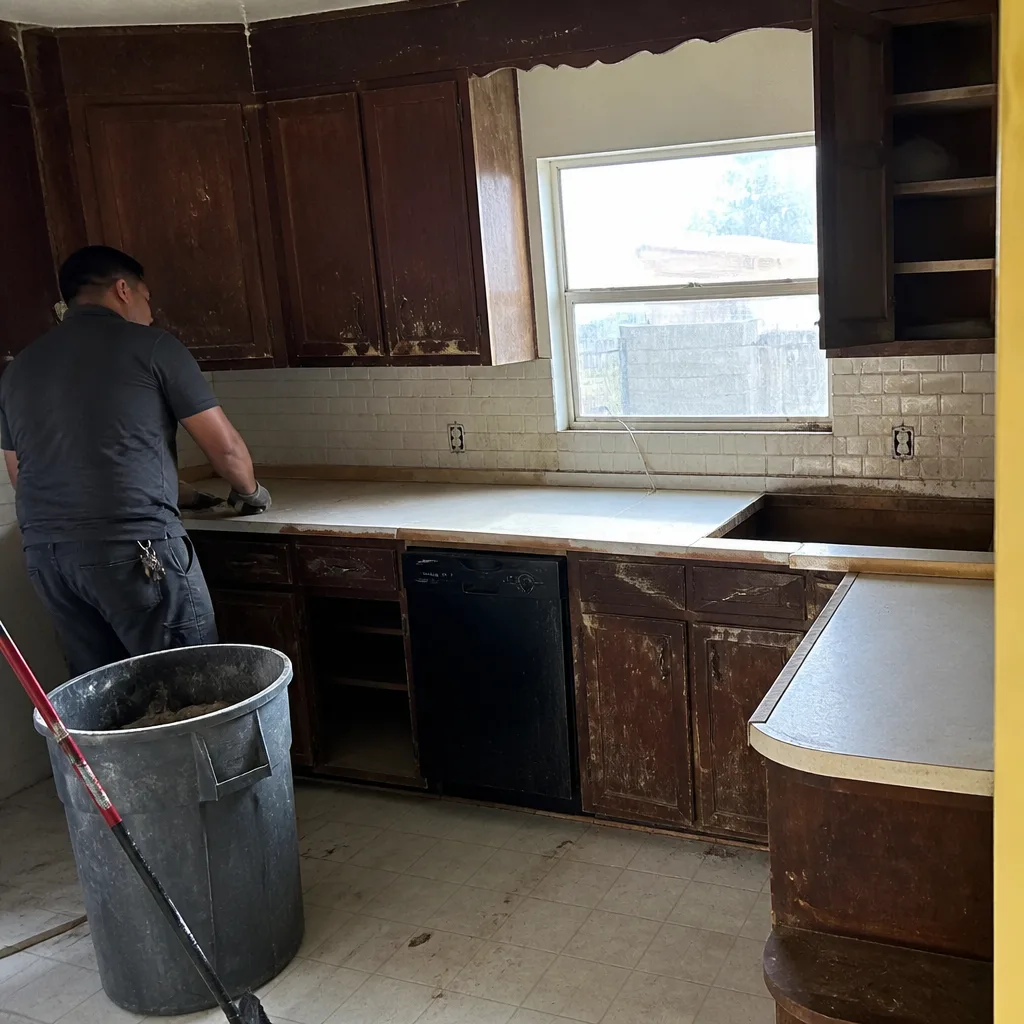 Before
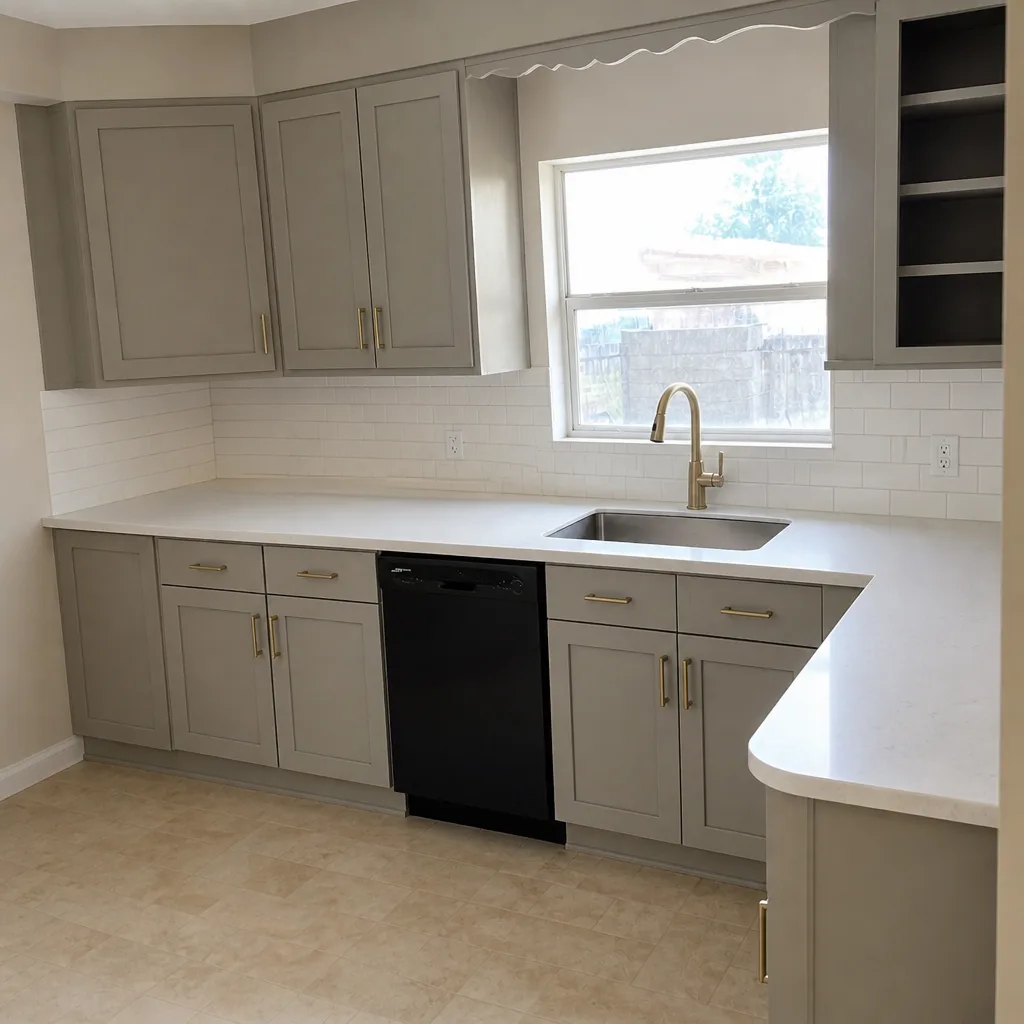 After
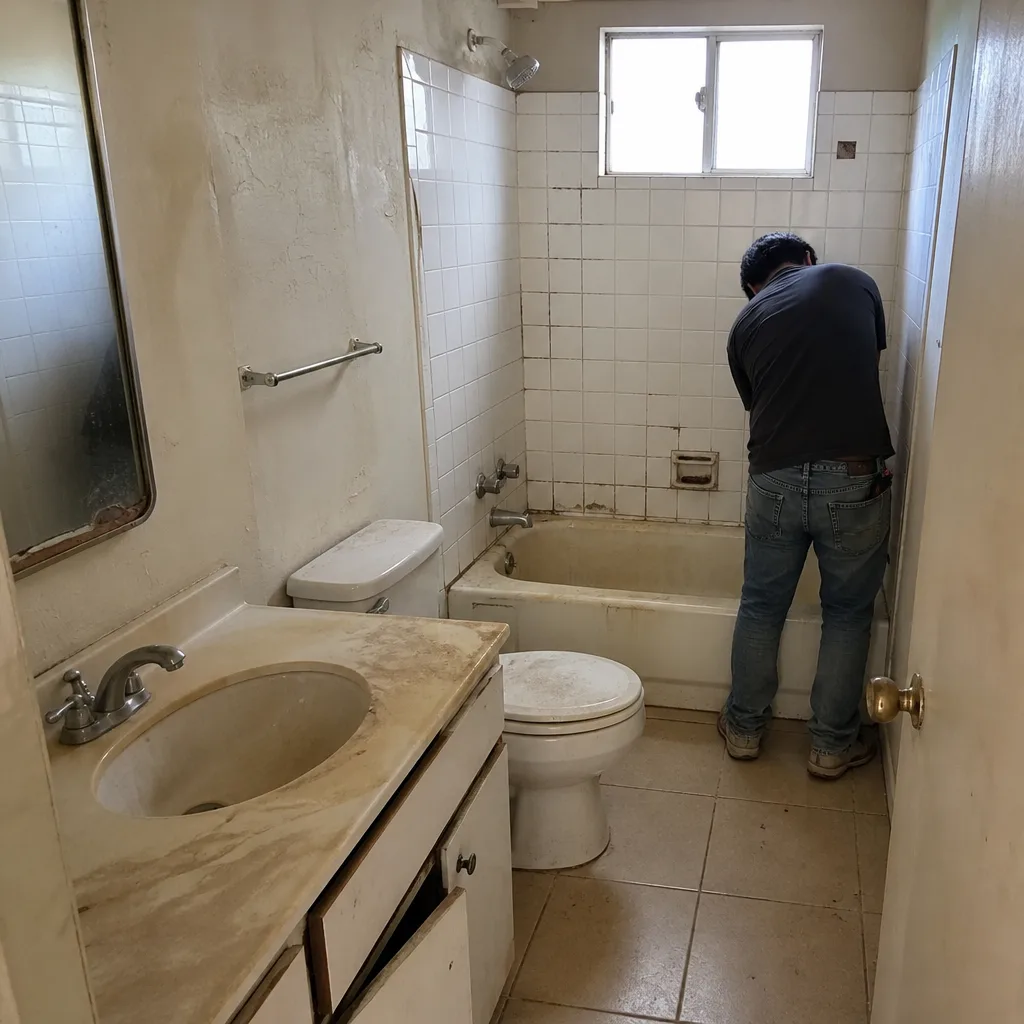 Before
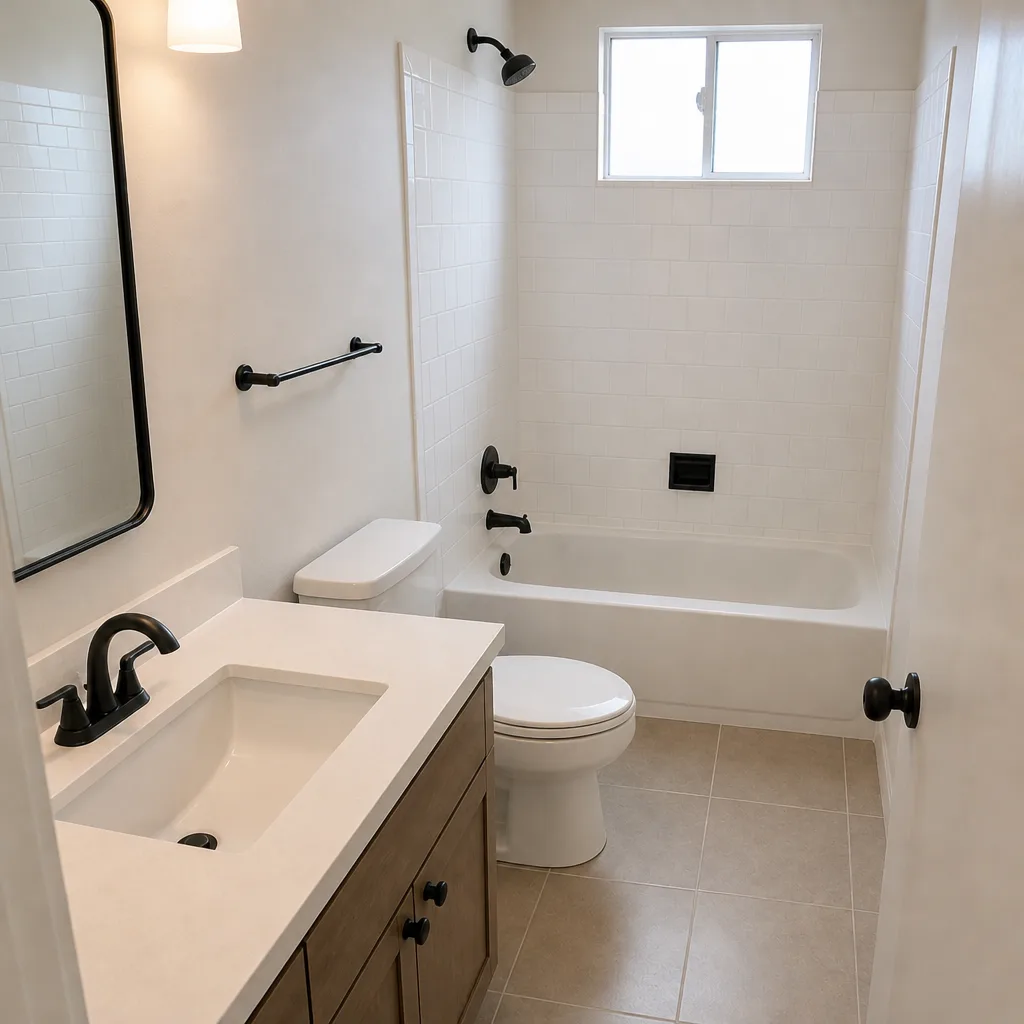 After
Frequently Asked Questions

Painting, swapping cabinet hardware and doorknobs, hanging shelving into studs, and re-caulking tubs and sinks are safe for most homeowners. These tasks are cosmetic, reversible, and don’t touch anything behind the wall. Anything involving electricity, plumbing, gas, structure, or a permit belongs with a licensed professional.
Yes. Adding a new electrical outlet or circuit in Clark County requires a permit and inspection, even though it feels like a small job. Unpermitted electrical work can complicate a home sale and may affect your insurance if there’s a claim later. Call (855) 606-6122 for a free estimate on doing it right the first time.
An “undo and redo” call in the Las Vegas metro typically runs $450 to $1,200 more than the same job done correctly up front. The cost is highest when water damage or electrical mistakes were hidden for a while before discovery. Call (855) 606-6122 and we’ll give you a written price for the fix before any work starts.
Often not, or only partially. Most policies exclude gradual water damage and unpermitted work, so a shower leak you built yourself may be on you entirely. Check your specific policy with your carrier before starting any wet-area project, and have a licensed professional do the waterproofing.
A dry-area decorative backsplash is often safe, but a shower or floor is not. Waterproofing, slope, and sealing behind tile are where DIY failures hide, and older Sunrise Manor homes carry the extra risk of plumbing that surprises. Our bathroom remodeling in Sunrise Manor team can tell you exactly which parts of your project you can finish yourself.
Get the specific task list in writing with who does what, the warranty terms with dates, and whether your finishing work affects any covered item. A written price before work begins and a clearly stated guarantee, like our 365-Day Done Right Promise, remove the guesswork. Call (855) 606-6122 for a free estimate and written scope.
The Bottom Line
The right question isn’t “am I skilled enough?” It’s “what happens if this goes wrong?” Cosmetic, reversible, visible work is yours to take on, and it saves real money. Anything behind the wall, anything requiring a permit, and anything that touches water, gas, electricity, or structure is a liability decision before it’s a labor decision. In Sunrise Manor, where older systems and Clark County permits raise the stakes, getting that line right protects your home, your insurer’s willingness to pay, and your resale. Keep the weekend projects that make you proud and hand the rest to a crew that puts the price in writing. Our bathroom remodeling in Sunrise Manor and kitchen work follow the same rule: a firm price before any work starts.
Ready to get a real number for the part you shouldn’t do yourself? Mason Remodeling Sunrise Manor builds to a written price, backs every project with a guarantee, and answers every call with a live person around the clock. Call (855) 606-6122 to schedule your free estimate, and we’ll show you exactly where the DIY line falls on your project.
Written by the team at Mason Remodeling Sunrise Manor.