
Last updated November 17, 2026








Free written scope consultation - allowances, timeline, and change-order rules on paper before a single trade is scheduled
Kitchen Remodeling Maintenance Schedule: What to Do and When
Cabinet hinges, grout lines, and refrigerator water line connections all have documented failure windows, and most kitchen repairs happen because those windows were missed, not because the original work was bad. A new kitchen doesn’t fail all at once. It fails on a schedule you can predict and stay ahead of. This guide lays out that schedule: what to check at 30 days, 6 months, 1 year, and every year after, with the specific products and habits that hold up in Sunrise Manor’s dry desert heat. Follow it and you protect both the investment and the warranties attached to your cabinets, counters, and appliances.
Quick Answer
Check the whole kitchen at 30 days (hinges, caulk, water fittings, appliance seals), reseal grout and caulk every 6 to 12 months in Sunrise Manor’s low-humidity climate, inspect water line and dishwasher connections twice a year, and clean cabinet finishes on a schedule that matches their material. Most kitchen failures trace back to a skipped inspection, not bad installation.
Styles & brands we work with
- Kitchen remodeling
- Bathroom remodeling
- Home additions & ADU
- Roofing
- Windows & doors
- Driveway & pavers
- Fence
Table of Contents
- Why a Kitchen Needs a Maintenance Calendar
- The 30-Day Post-Installation Checklist
- Grout and Caulk Care in Sunrise Manor’s Dry Heat
- Cabinet Maintenance by Finish Type
- Appliance Connection Checks
- Countertop Care: Quartz vs. Granite vs. Laminate
- The Annual Deep-Maintenance Routine
- Common Mistakes to Avoid
- When to Call a Professional
Why a Kitchen Needs a Maintenance Calendar
Kitchens take more daily abuse than any other room in the house. Doors open and close dozens of times a day. Steam from the cooktop rises over the cabinets. Water sits in the sink surround. Grease vapor settles on every surface above the range. Each of those stresses has a predictable failure point, and each failure point shows up as a small symptom long before it turns into a repair bill.
In Sunrise Manor, the climate speeds some of these up and slows others down. The dry air that makes grout crack faster also means you’ll rarely fight mold in a shower surround. Winter nighttime temperatures that dip near freezing can stress an exterior water line. And the intense summer sun through a east-facing window will fade a laminate counter faster than it would in a milder climate. Knowing which stresses your kitchen actually faces each season is half the schedule.
The other half is the warranty. Cabinet manufacturers, countertop fabricators, and appliance makers attach maintenance conditions to their coverage. Skip a caulk reseal and water finds its way behind a backsplash, and the fabricator can point to that as a reason to decline a claim. A maintenance calendar isn’t just good housekeeping. It’s how you keep the terms of coverage intact. For homeowners who’ve just come through a remodel, that calendar is the difference between a ten-year kitchen and a thirty-year one.
The 30-Day Post-Installation Checklist
New cabinets and counters settle in the first month. Wood and engineered frames expand slightly with humidity, doors that fit perfectly on install day can drift, and caulk that looked perfect can shrink a hair as it cures. Your contractor’s punch-list window usually closes around 30 to 60 days after completion, so this is the moment to find anything that’s off while the fix is still part of the job.
Walk the kitchen with a notepad and check these items in order:
- Open and close every cabinet door and drawer. Listen for squeaks or rubbing. A door that rubs a neighbor at 30 days needs an adjustment, not a shim under a corner.
- Press on every caulk joint. Look for gaps where the backsplash meets the counter and where the counter meets the wall. Any separation is a call-back.
- Run the faucet and check under the sink. Look for moisture at the supply lines, the drain connection, and the disposal mount.
- Check the dishwasher. Run a full cycle and look at the door seal and the cabinet floor beneath it for drips.
- Inspect the range hood. Confirm it vents properly and that the grease filter seats without rattling.
- Look at the counter seams. Quartz and granite seams should be smooth to the touch. A rough or uneven seam is a fabrication issue worth documenting now.
- Photograph everything you find and date it. A written list with photos makes the punch-list conversation simple.
We verify every crew member by name and photo under The Threshold Standard, which means the person who handled your install is the same person you can call about an adjustment. That’s useful in the first 30 days, when the fix is usually small and the answer should be fast.
Grout and Caulk Care in Sunrise Manor’s Dry Heat
Grout and caulk are the two materials most affected by low humidity, and Sunrise Manor’s climate is hard on both. Caulk loses its flexibility as it dries, and grout that cures too fast during the hottest weeks can develop hairline cracks in the first year. The result is a kitchen that looks fine but has tiny pathways where water can get behind a backsplash or under a tile edge.
Here’s the schedule that holds up in the desert:
- Reseal grout every 12 months on a backsplash or porcelain floor tile. If the grout absorbs a drop of water within a minute, it’s overdue.
- Replace caulk at 12 to 18 months around the sink, along the backsplash-to-counter seam, and where the counter meets a wall.
- Inspect monthly during the summer. High heat and low humidity cause caulk to shrink. A quick visual check after the first hot month catches it early.
For products, look for a 100% silicone caulk on wet surfaces like the sink and a sanded acrylic grout sealer on tile joints. Avoid cheap caulk that claims a 20-year life; in a desert kitchen it will fail in two. Early failure looks like a hairline crack at the joint, a joint that peels back when you press it, or grout that darkens unevenly after wiping. If you see any of those, reseal that week.
If your kitchen is part of a larger home project that includes a bath, the same reseal schedule applies there. Our guide to Bathroom Remodeling in Sunrise Manor covers the wet-area version of this routine in more depth.
Cabinet Maintenance by Finish Type
Not all cabinets want the same cleaning routine. Treat a painted door like a thermofoil door and you’ll dull the paint. Treat a thermofoil door like a wood door and you’ll lift an edge. Match the routine to the finish and the cabinets stay factory-fresh for years.
Painted Cabinets
Wipe painted doors monthly with a damp cloth and a drop of mild dish soap, then dry immediately. Avoid abrasive scrubs and citrus cleaners; both eat through the topcoat. Touch-up matters more with paint, since a small chip grows. Keep a small jar of the original paint color and touch up nicks within the first 24 months, before the color fades and the touch-up stops matching.
Thermofoil Cabinets
Thermofoil is a vinyl wrap over MDF, and its vulnerable point is the edge, not the face. Clean only with a soft cloth and warm water, and never leave a wet cloth sitting against a door edge. Heat near the range is the enemy: a thermofoil door within 18 inches of a cooktop can peel at the seam over time. If you see a bubble or a lifting edge, note it early. A peel that gets caught in the first year is usually repairable; one that’s left for three years usually means a new door.
Wood-Stain Cabinets
Wood likes a light hand. Dust with a microfiber cloth weekly, clean with a wood-safe cleaner every few months, and reapply a penetrating oil or furniture wax once a year. In Sunrise Manor’s dry air, wood cabinets can lose moisture and shrink slightly at the seams, so a thin coat of oil in the fall helps them hold. Skip silicone-based polishes; over time they build a film that traps dust.
Appliance Connection Checks
Appliance connections are the quietest failures in the kitchen and the most expensive when they go. A refrigerator water line that drips behind a cabinet can rot flooring for months before anyone notices. A dishwasher door seal that fails will quietly flood the floor under the toe kick. And a grease filter that never gets cleaned is a fire risk every time the cooktop runs hot.
Twice a year, at the same time you change your HVAC filter, run this check:
- Refrigerator water line. Pull the fridge out far enough to see the supply line fitting. Look for a damp spot, a white mineral crust, or a bulging hose. Replace any plastic line with a braided stainless one within the first year; the plastic versions crack as they age.
- Dishwasher door seal. Wipe the gasket clean of food residue and check for tears. A seal that’s hard or cracked or a puddle on the cabinet floor means it needs replacing.
- Range hood grease filter. Soak it in hot soapy water every month, or run it through the dishwasher if the manufacturer allows it. A clogged filter reduces airflow and lets grease collect on the hood and cabinets above.
- Ice maker line and valve. Look for a slow drip at the shutoff valve behind the fridge. That valve is a common failure point on homes in Sunrise Manor where the supply line runs through a hot garage wall.
If a refrigerator or dishwasher was replaced during your remodel, the install is usually covered for the first year. Document the model and install date on the appliance so you know when to call for warranty service versus a repair.
Countertop Care: Quartz vs. Granite vs. Laminate
Counter surfaces are the most visible part of the kitchen and the easiest to ruin with the wrong habit. Each material has a different job list, and doing the wrong one for your material can void the manufacturer’s warranty.
- Quartz (Cambria, Silestone, Caesarstone): Wipe daily with mild soap and water. Never place a hot pan directly on the surface; use a trivet. Quartz is non-porous, so it doesn’t need sealing, but most manufacturers require you to avoid harsh chemicals and abrasive pads. Skip the annual sealing task entirely and put that energy into cleaning the seams.
- Granite: Reseal once a year with a penetrating stone sealer. The test: put a few drops of water on the surface, wait 15 minutes, and wipe. If the stone darkens where the water sat, it needs sealing. Use a pH-neutral cleaner, and wipe up oil and wine immediately, since granite is porous even when sealed.
- Laminate: Clean with a damp cloth and mild soap. Avoid standing water at the seams and never cut directly on the surface. Laminate also fades in direct sun, so a window treatment during the summer is worth the effort.
For a full remodel, our Kitchen Remodeling in Sunrise Manor service page walks through material selection and the warranties that come attached to each. When you know the warranty terms, you know exactly which maintenance tasks are required and which are optional.
The Annual Deep-Maintenance Routine
Once a year, on a date you’ll remember, do a full pass over the kitchen. Pick a fall weekend after the summer heat has passed and before the holiday cooking season. The routine takes about two hours and catches the problems that slip past the twice-a-year appliance check.
- Inspect every caulk joint and reseal any that have failed. Use 100% silicone around wet areas and paintable caulk along painted walls.
- Reseal stone countertops if you have granite. Quartz and laminate skip this step.
- Deep-clean the range hood, filter, and ductwork access panel. Wipe the hood’s interior surfaces, not just the exterior.
- Pull out the refrigerator and vacuum the coils. Dusty coils make the fridge work harder and shorten its life.
- Check every cabinet hinge and drawer glide. Tighten the screws and add a drop of lubricant to any that squeak.
- Look at the under-sink area with a flashlight. Check the cabinet floor and the back wall for water stains or warping.
- Test the smoke and carbon monoxide detectors and replace the batteries.
If your annual pass finds something that needs a professional hand, our General Contractor in Sunrise Manor team can handle the repair and the inspection together, so the fix and the record of it are in one place. A written price before work starts is standard on every job.
Common Mistakes to Avoid
- Cleaning thermofoil cabinets with a wet cloth. Water gets behind the vinyl wrap at the door edge and starts a peel. Wipe lightly and dry right away.
- Skipping the 30-day walkthrough. Small adjustments in the first month are usually free under the punch-list window. Wait six months and they turn into a paid service call.
- Assuming quartz needs sealing. It doesn’t, and applying a sealer to quartz can dull the finish and may void the warranty. Check the manufacturer’s care sheet before you buy any product.
- Leaving the plastic refrigerator water line installed. Plastic supply lines crack with age and heat. In a Sunrise Manor garage, the temperature swings shorten that life further. Swap to braided stainless early.
- Wiping granite with a vinegar or citrus spray. Acid etches the sealant and eventually the stone. Use a pH-neutral cleaner.
- Forgetting the range hood filter. A clogged filter is a fire hazard. Clean it monthly and replace it every year or two, depending on how much you cook.
- Resealing grout with the wrong product. A solvent-based sealer on a damp backsplash traps moisture. Clean and dry the grout for 24 hours first, then apply a water-based sealer in two thin coats.
When to Call a Professional
Some maintenance is yours to do; some needs a trained hand. Call a professional if you find water damage behind a cabinet, a cabinet door that sags no matter how you adjust the hinge, a counter seam that has opened, or a caulk failure that keeps coming back after two reseals. Appliance issues that involve electrical connections or gas lines should go to a licensed technician, not a weekend project. And if a cabinet finish is failing across multiple doors, it’s worth a professional inspection before the warranty period closes; a written report at that point has real weight with the manufacturer.
Mason Remodeling Sunrise Manor offers free estimates in Sunrise Manor for kitchen repairs and maintenance inspections. Call (855) 606-6122 and talk to a live person, any hour, any day. Our technicians have up to 22 years of experience, and every project comes with a written price before work begins.
See the difference
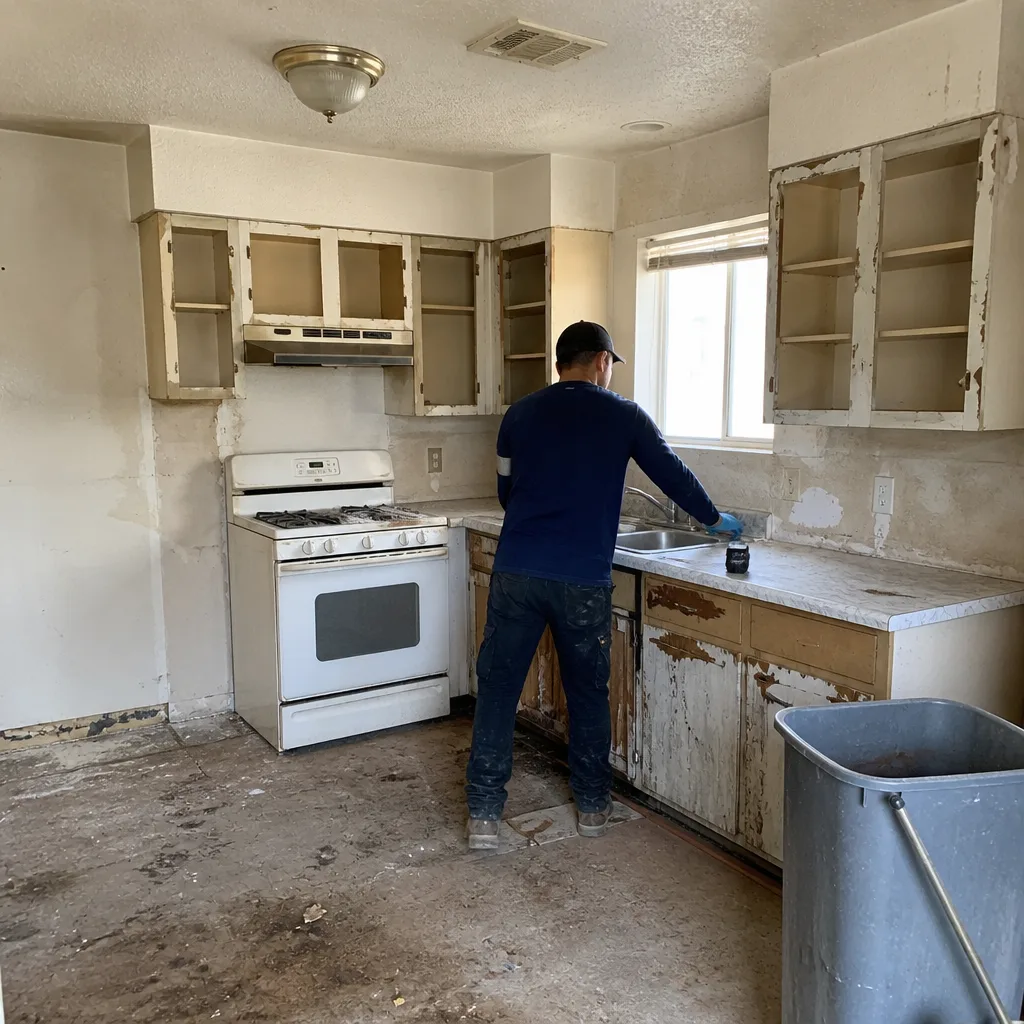 Before
 After
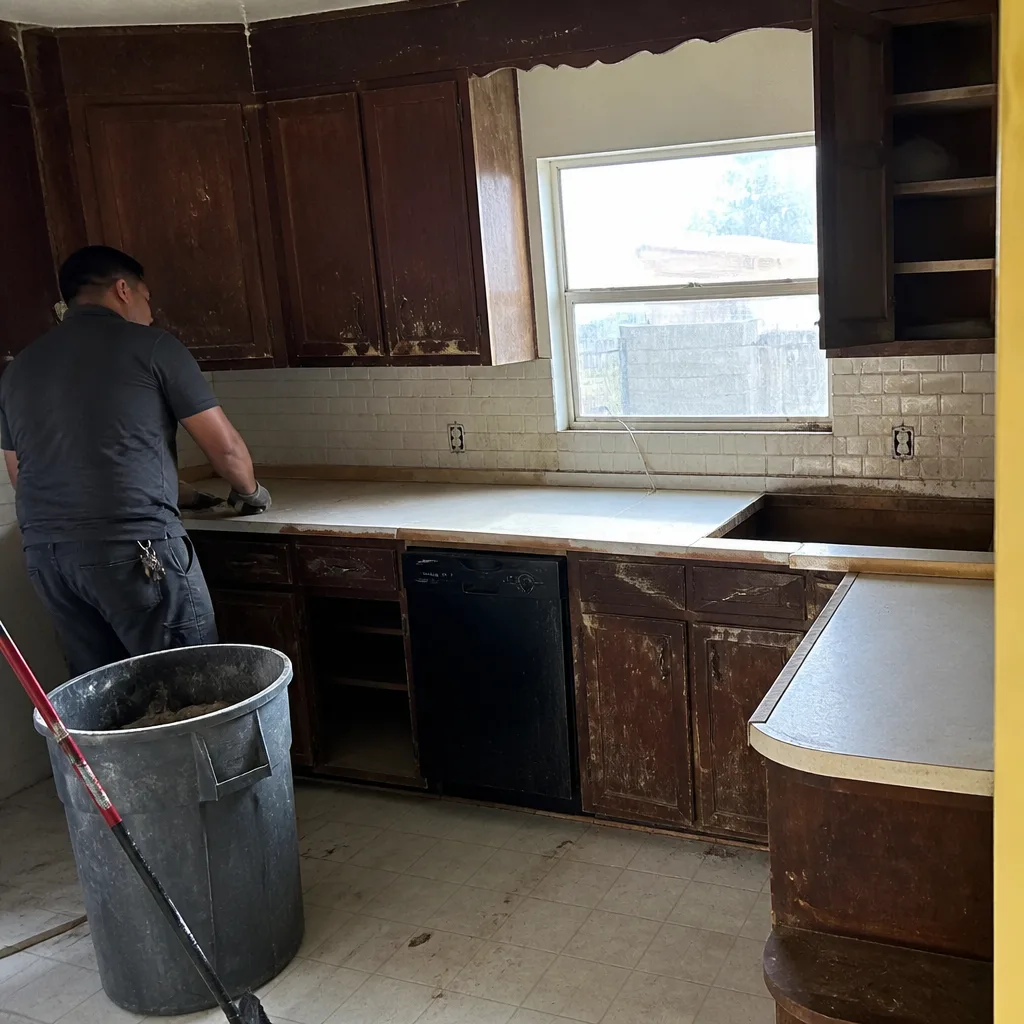 Before
 After
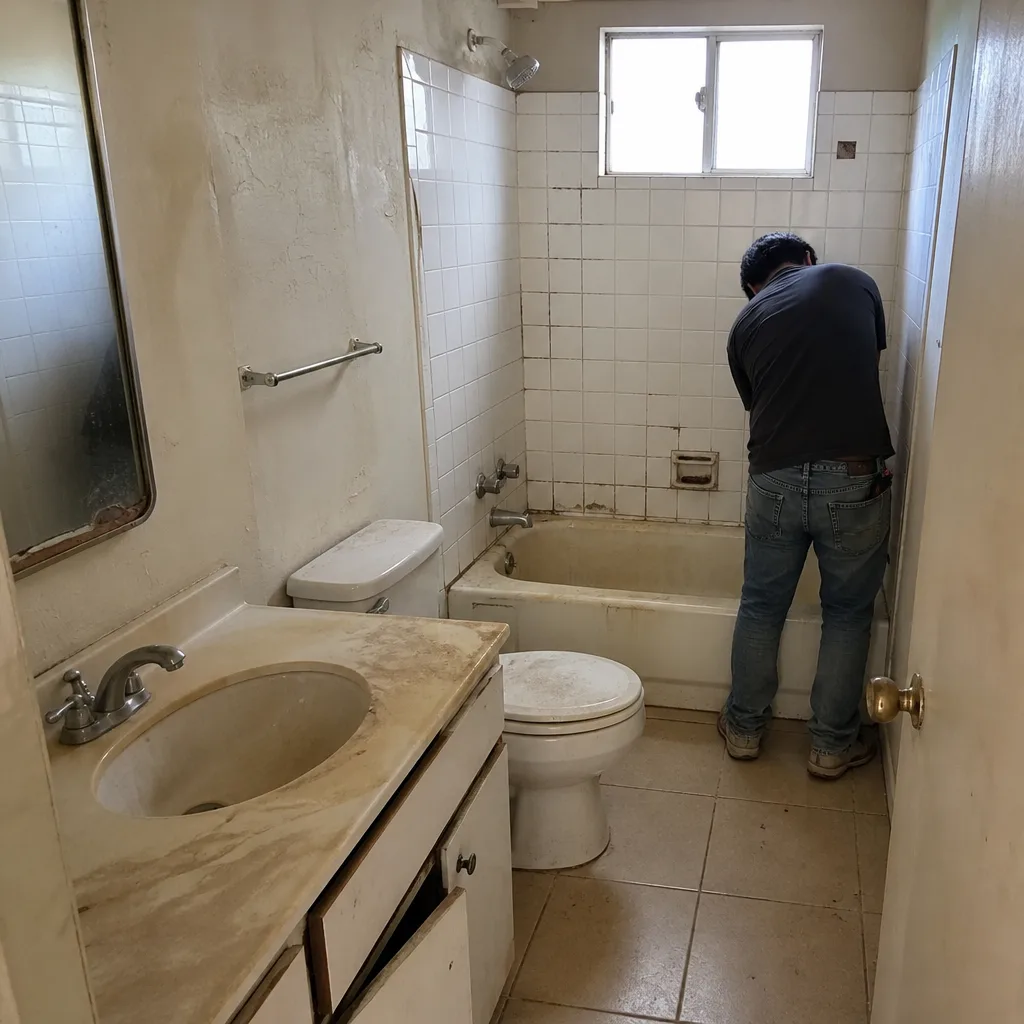 Before
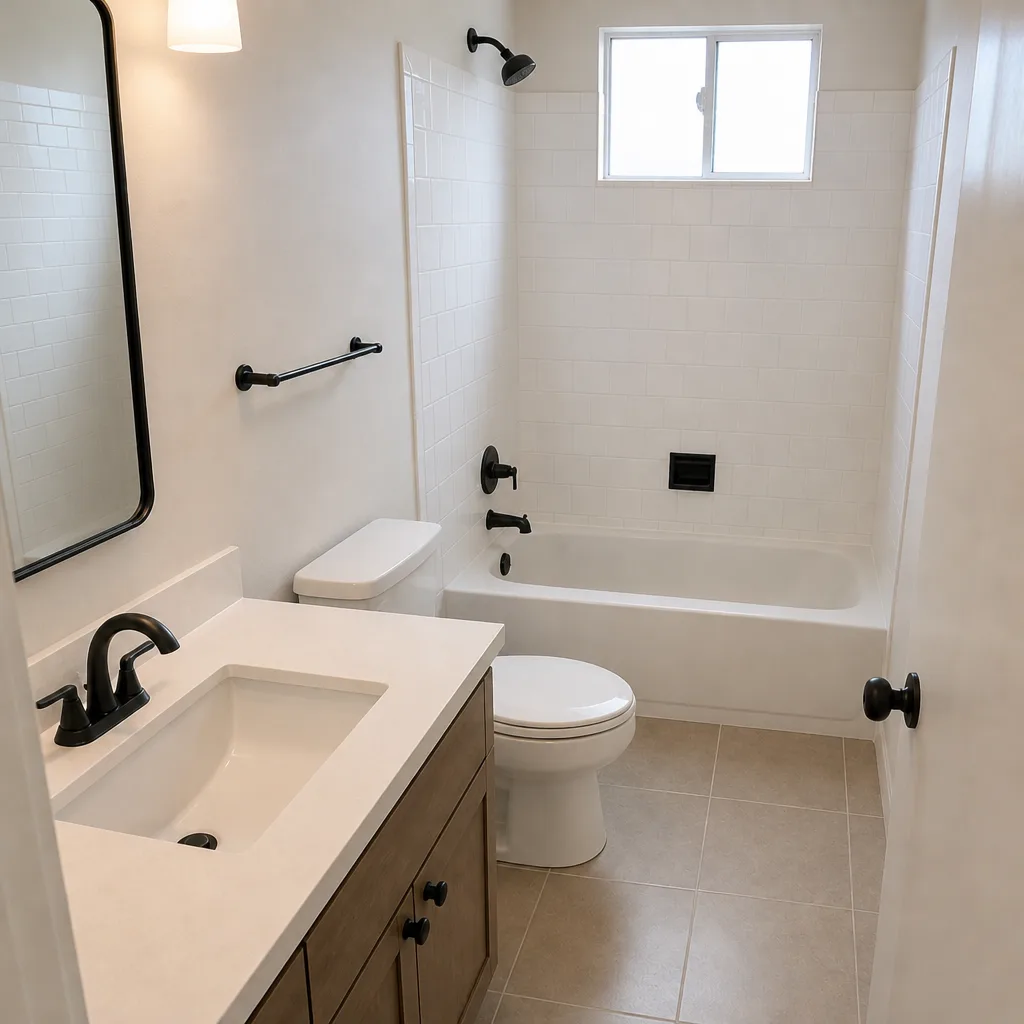 After
Frequently Asked Questions

Reseal grout every 12 months and replace caulk every 12 to 18 months. In Sunrise Manor’s low humidity, caulk shrinks faster than in wetter climates, so check it after the first hot month each summer and reseal the sink and backsplash before fall. Call (855) 606-6122 for a free inspection if you’re not sure whether a joint needs resealing.
No. Quartz from brands like Cambria, Silestone, and Caesarstone is non-porous and doesn’t need sealing. In fact, applying a sealer can dull the surface and may void the manufacturer’s warranty. Wipe it with mild soap and water and use a trivet for hot pans. If you have granite instead, that’s the surface that needs an annual reseal.
Open and close every cabinet door and press on every caulk joint within the first 30 days. That’s when the punch-list window is usually open, so any adjustment or reseal is part of the original job. Take photos and a date for each item you find, then call the contractor with the list.
Look for a damp spot, a white mineral crust, or a bulging hose behind the fridge. A plastic supply line that is more than a couple of years old is a common failure. Swap it to braided stainless and check the shutoff valve behind the fridge twice a year. For a water-logged cabinet or warped floor, call (855) 606-6122 for a free estimate.
No. Painted cabinets can take a lightly damp cloth with mild dish soap, while thermofoil should only be wiped with warm water and a soft cloth, and never left wet at the edge. Citrus and abrasive cleaners eat through both finishes, so keep them out of the kitchen cabinet routine entirely.
Yes, in both directions. Following the manufacturer’s care requirements, especially on quartz counters, painted cabinet finishes, and appliance seals, protects the warranty on those products. Skipping required maintenance can give a manufacturer a reason to decline a claim. A written maintenance log with dates and photos is your best defense if a claim comes up.
The Bottom Line
A kitchen stays in good shape when it runs on a calendar: full check at 30 days, grout and caulk resealed every 12 months, appliance connections inspected twice a year, and a deep routine every fall. That schedule is what protects both the materials and the warranties attached to them. Most repairs we see in Sunrise Manor kitchens come from a skipped inspection, not a bad installation. A small habit, on a predictable rhythm, is what makes a remodeled kitchen last. For a free estimate on kitchen maintenance or repair, visit our Mason Remodeling Sunrise Manor home page or call (855) 606-6122 and speak with a live person any hour of the day.
Written by the team at Mason Remodeling Sunrise Manor.