
Last updated November 17, 2026








Free written scope consultation - allowances, timeline, and change-order rules on paper before a single trade is scheduled
General Contractor Maintenance Schedule: What to Do and When
In Sunrise Manor, the summer monsoon season and 110°F heat cycles do more structural damage per year than most homeowners realize, and most of it shows up as a contractor emergency three years too late. A finished remodel is not the end of the relationship; it is the start of a maintenance window that decides whether that new kitchen, bath, or roof lasts 10 years or 30. This guide gives you a month-by-month schedule tuned to Nevada’s climate, shows you which post-remodel elements carry warranties that require documented care, and teaches you what to check yourself versus what needs a licensed pro.
Quick Answer
After a remodel in Nevada, your home needs a seasonal maintenance pass four times a year: inspect and refresh caulking and grout before summer heat peaks in May, clear roof penetrations and drainage before monsoon season in July, check HVAC connections and exterior sealant after the first cold snap in November, and review your warranty binder and photo log every January. Tasks that touch roofing, electrical, gas, or structural components should go to a licensed professional to keep your warranty valid; caulking, filter changes, and visual inspections you can log yourself.
Styles & brands we work with
- Kitchen remodeling
- Bathroom remodeling
- Home additions & ADU
- Roofing
- Windows & doors
- Driveway & pavers
- Fence
Table of Contents
- Why Post-Remodel Maintenance Matters More in Nevada
- Spring: The Pre-Summer Inspection (March – May)
- Monsoon Season Prep: What to Check Before July
- Fall and the First Cold Snap (October – November)
- Winter: Warranty and Record Review
- Self-Inspection vs. Licensed Professional: Where the Line Is
- Building a Home Maintenance Binder After a Remodel
- Common Mistakes to Avoid
Why Post-Remodel Maintenance Matters More in Nevada
Sunrise Manor sits in a climate that punishes building materials in ways that coastal or midwestern schedules never account for. Summer highs routinely push past 110°F, and the swing between a 110°F afternoon and a 75°F night expands and contracts caulk, grout, stucco, and roof sealant hundreds of times a year. Then monsoon season arrives with fast, heavy rain that finds every gap the heat opened. In our experience, the failures we see on remodeled homes in Sunrise Manor almost always trace back to a small seal that was never refreshed.
Sunrise Manor also has a large share of ranch homes and mid-century construction, many of them built between the 1960s and 1980s, where a recent remodel sits on top of older framing, older plumbing stubs, and original roof decking. That mix is durable when it’s maintained and unforgiving when it isn’t. A $12 tube of caulk in May prevents a $900 drywall repair in August.
The good news: a maintenance schedule tuned to Nevada is not complicated. It’s four passes a year, a photo log, and a binder. If you recently finished a Mason Remodeling Sunrise Manor home project, the schedule below picks up exactly where the punch list left off.
Spring: The Pre-Summer Inspection (March – May)
Spring is your most important pass of the year. Everything you do in March through May is preparation for the heat spike that lands in June, and every seal you refresh now buys you a full year before the next contraction cycle.
- Walk the exterior caulk lines. Look at every joint where stucco meets window frames, door frames, hose bibs, and vents. Any line that has pulled away, cracked, or gone chalky needs a fresh bead of exterior-grade sealant. In Sunrise Manor, spring UV is already strong; use a UV-resistant product rated for masonry.
- Check grout and caulk in bathrooms and kitchens. Press a fingernail into the grout around shower floors and backsplashes. If it crumbles or the caulk at the tub line peels, water is already getting behind it. This is the single most common warranty issue on new tile work.
- Look at the roof from the ground. Binoculars are enough. Check for lifted shingles, cracked sealant around vent boots, and any rust streaks from flashing. Do not walk a steep roof to do this inspection.
- Swap HVAC filters and clean outdoor condenser coils. Coils packed with cottonwood and dust work harder and cool less in July.
- Test exterior drainage. Run a hose at the base of downspouts and at any hardscaped patio edges. Water should move away from the house, not pool. Patios built with Techo-Bloc or Cambridge Pavers have a designed slope; if water stands on the surface after a rain, that slope has shifted.
Log every item with a date and a photo in your maintenance binder (more on this below). If any of it looks past your comfort level, a General Contractor in Sunrise Manor can walk the list with you in a single visit.
Monsoon Season Prep: What to Check Before July
Nevada’s monsoon season typically runs from July through September, and it delivers a year’s worth of water in a handful of intense storms. The homes that flood are usually the ones where a downspout clogged in May and nobody checked. Before the first storm:
- Clear every roof-to-ground path. Remove debris from gutters, downspouts, and scuppers. On flat or low-slope sections, check that drains are open.
- Inspect roof penetrations. Skylights, vent boots, chimney flashing, and any solar mounting points are the highest-risk spots. A remodel that added a vent, hood, or skylight created a new penetration that needs its own sealant check.
- Check window and door weatherstripping. Monsoon rain comes sideways. Weatherstrip that looks fine in normal rain fails under wind-driven water.
- Look at the grade around your foundation. Soil should slope away from the house at roughly 1 inch per foot. In Sunrise Manor’s soil, a season of settling can reverse that slope without any visible crack.
- Photograph the exterior. A dated photo set before monsoon season is the single best record if you ever need to file a water damage claim. Insurers ask for before-and-after; most homeowners only have after.
If your remodel included a bathroom, pay special attention to exterior walls on the wet side. A Bathroom Remodeling in Sunrise Manor project often re-routes plumbing or adds a window, and both create a seal that monsoon rain tests first.
Fall and the First Cold Snap (October – November)
The cold snap that hits Sunrise Manor in late October or early November is your second-biggest inspection window. Materials that expanded all summer are now contracting, and that shift is where small failures reveal themselves.
- Re-walk exterior caulk lines. Yes, again. The fall pass catches anything the summer cycle opened.
- Check HVAC connections and condensation lines. Look at the refrigerant line insulation and the condensate drain. A cracked line in a remodeled closet or attic is a slow leak that shows up as a stain on the ceiling by January.
- Inspect the water heater and any new plumbing. Look for corrosion at fittings and check the drain pan. If your remodel moved the water heater, confirm the pan and T&P line are still routed correctly.
- Test smoke and carbon monoxide detectors. A remodel that added a gas appliance or a new bedroom should have added detectors as well. Confirm they work.
- Check door and window operation. Doors that stick in November are often a sign of seasonal movement, but any door that won’t latch is a security issue. Fix it before winter.
Winter: Warranty and Record Review
January is the quietest month for exterior work, which makes it the right time to review your records. This is where the difference between a 10-year and a 30-year remodel actually gets decided: warranty coverage is only as good as the maintenance you can prove.
- Read every warranty document again. Note the maintenance requirements. Roof shingles from GAF and CertainTeed often require documented inspection. Tile and grout warranties typically require sealed grout lines. Cabinet warranties from KraftMaid and Wellborn are voided by water damage from an unchecked leak.
- Reconcile your photo log. Every maintenance task should have a date and photo. If you hired out a task, keep the invoice.
- Update your binder index. If you sold your home, would a buyer’s inspector see a well-maintained record or a pile of receipts? Organized records add credibility at resale and speed up insurance claims.
- Schedule the spring inspection. Booking in January means it actually happens in March.
Every remodel we complete comes with a written guarantee with terms stated plainly, including what is covered, what is excluded, and for how long. A 365-Day Done Right Promise covers the work itself for a full year from the completion date, and if a repair or installation fails during that window, we return at no charge. Maintaining the home is what keeps coverage meaningful after the year ends.
Self-Inspection vs. Licensed Professional: Where the Line Is
Not every task needs a pro, but the ones that touch safety or structural integrity always do. Here is how we draw the line.
Tasks you can safely do and log yourself:
- Visual inspection of caulk, grout, and sealant (no scraping above head height)
- Changing HVAC filters
- Cleaning gutters from the ground with a long-handled tool
- Testing smoke and CO detectors
- Photographing and dating every check
- Cleaning outdoor condenser coils from the outside
Tasks that require a licensed professional:
- Any work on electrical panels, outlets added during a remodel, or the wiring behind new fixtures. A loose connection is a fire risk, and a handyman fix voids coverage.
- Gas line work, gas appliance installation, and combustion venting
- Roof work at height, including flashing repairs and any shingle replacement
- Refrigerant lines and HVAC electrical connections
- Structural repairs, foundation cracks wider than a hairline, and load-bearing changes
The reason matters as much as the task. A manufacturer’s warranty on a new roof, a new HVAC condenser, or a new gas water heater typically requires installation and repair by a licensed trade. A homeowner who “fixed” a leaking vent boot in June can be denied the roof warranty claim in September. The Threshold Standard at Mason Remodeling includes background-checked, identity-verified technicians who show a photo ID badge at the door and are introduced to you by name and photo before the visit; for the work above, the same standard applies to whichever licensed pro carries your warranty.
Building a Home Maintenance Binder After a Remodel
A well-built binder is the single highest-value thing you can put together after a remodel. It takes an afternoon to assemble and it pays for itself the first time you sell the house or file a claim. Here is the structure we recommend.
- Tab 1: The project record. Your written price, scope of work, completion date, and every change order. This is the document that proves what was done and when.
- Tab 2: Warranties and guarantees. Every manufacturer warranty and every contractor guarantee, in plain printed form, with coverage terms and exclusions highlighted. If your roof uses GAF or Owens Corning shingles, the warranty card belongs here.
- Tab 3: Product and material list. Paint color and sheen, tile and grout brand, cabinet manufacturer, countertop brand, paver brand, plumbing fixture models. If your hardscape uses Belgard, Unilock, or Techo-Bloc, note the product line; matching replacement material depends on it.
- Tab 4: Maintenance log. Dated entries with a photo for every seasonal pass. Format: date, task, what you found, what you did, who did it.
- Tab 5: Licensed trade contacts. Your roof, HVAC, plumbing, and electrical professionals, with the date of last service.
- Tab 6: Insurance and permits. Copies of permits pulled during the remodel and any inspection sign-offs, plus your homeowner’s policy declarations page.
Keep one physical copy and one digital. A shared folder on your phone works. If you’re weighing a bigger project next, the same binder structure applies to a Kitchen Remodeling in Sunrise Manor job; start the tabs before demo day.
Common Mistakes to Avoid
- Treating the punch list as the finish line. The punch list fixes what was visible at the walk-through. Maintenance fixes what the seasons reveal. The two are different jobs.
- Skipping the fall caulk pass because you just did it in spring. In Sunrise Manor, the expansion-contraction cycle is severe enough that two passes are warranted, not one.
- Letting a handyman touch electrical or gas to save money. Any saving is erased the moment a warranty claim is denied because the work was unlicensed.
- Not photographing the exterior before monsoon season. Water damage claims are far easier to win with a dated “before” photo in the binder.
- Ignoring grout color changes. A grout line that has darkened is already absorbing water. Reseal it before it turns into a tile replacement.
- Assuming a new roof or new HVAC is maintenance-free for ten years. Warranties are conditional. Read the conditions.
- Hiring a contractor for planned maintenance work based on same-day availability. The right contractor schedules properly, arrives who they said they would send, and puts the work scope in writing before tools come out of the truck.
See the difference
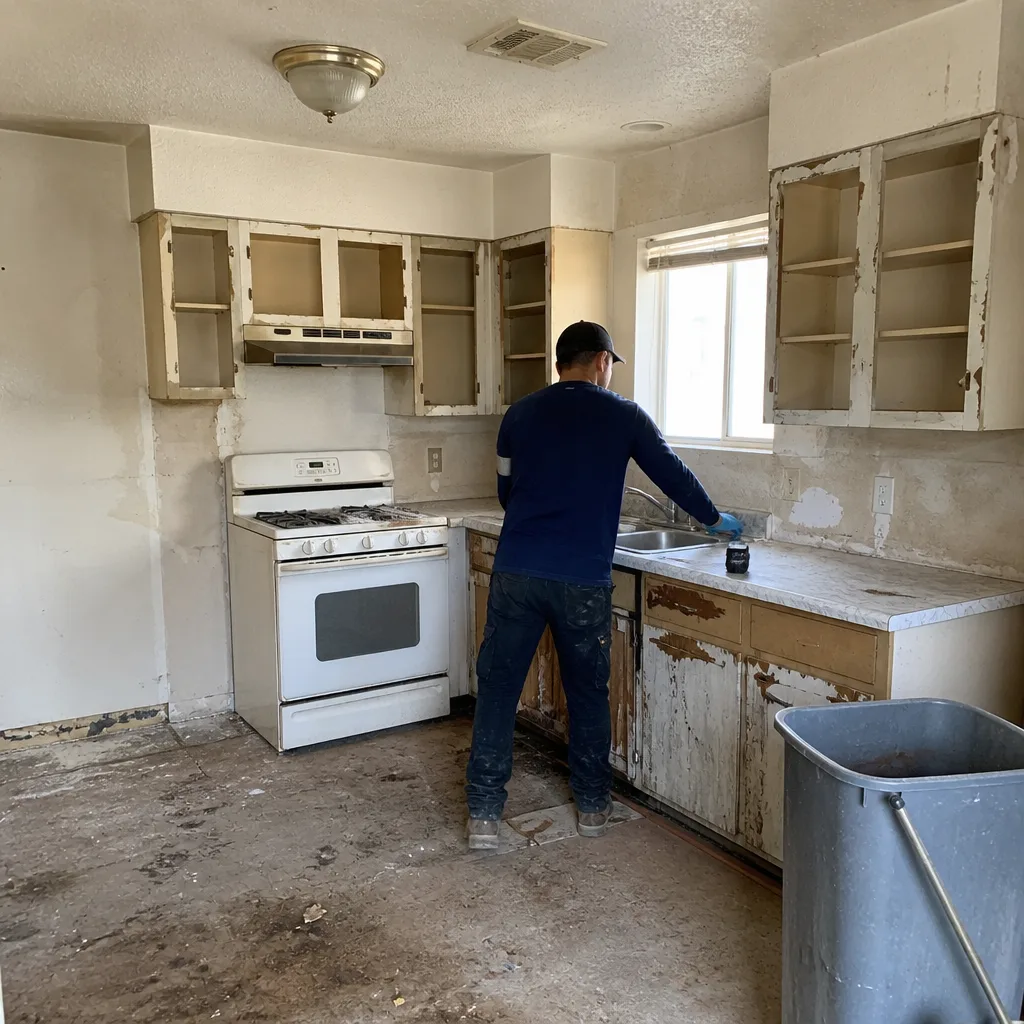 Before
 After
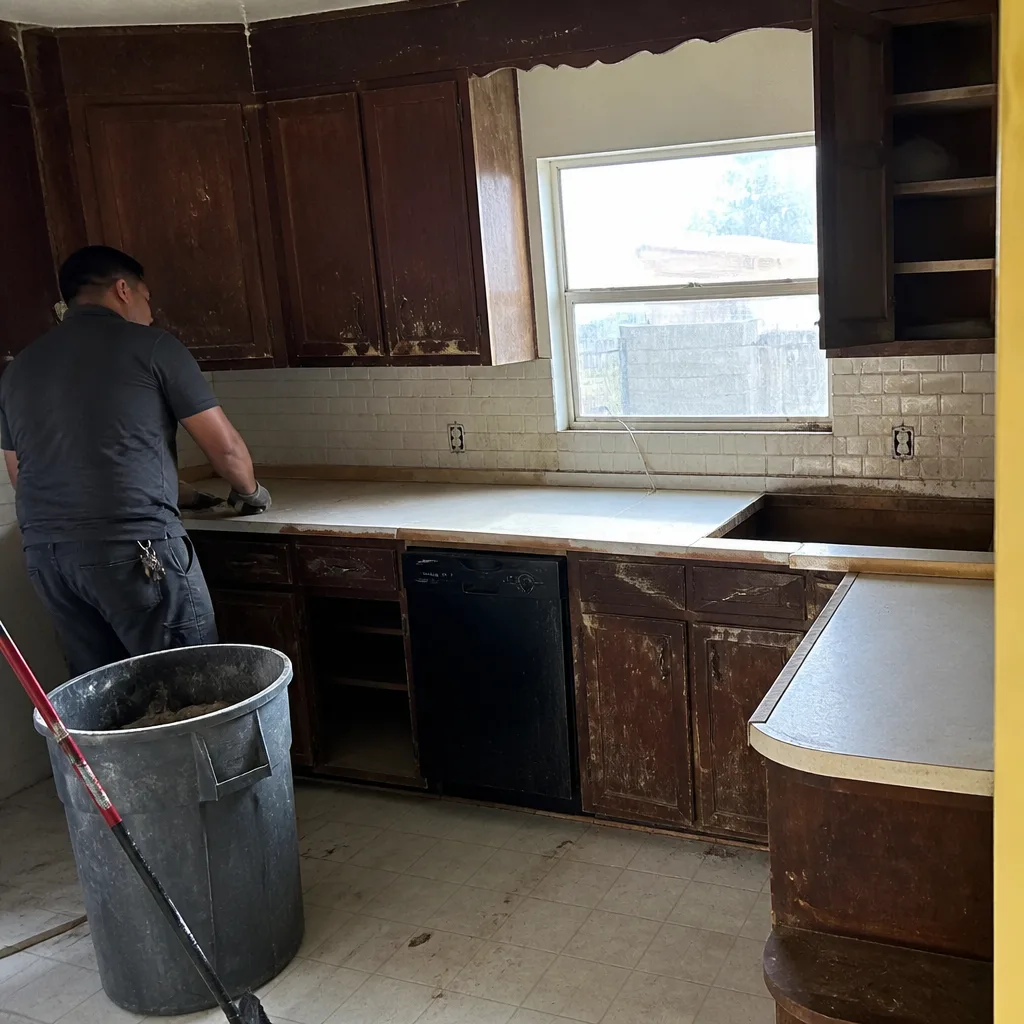 Before
 After
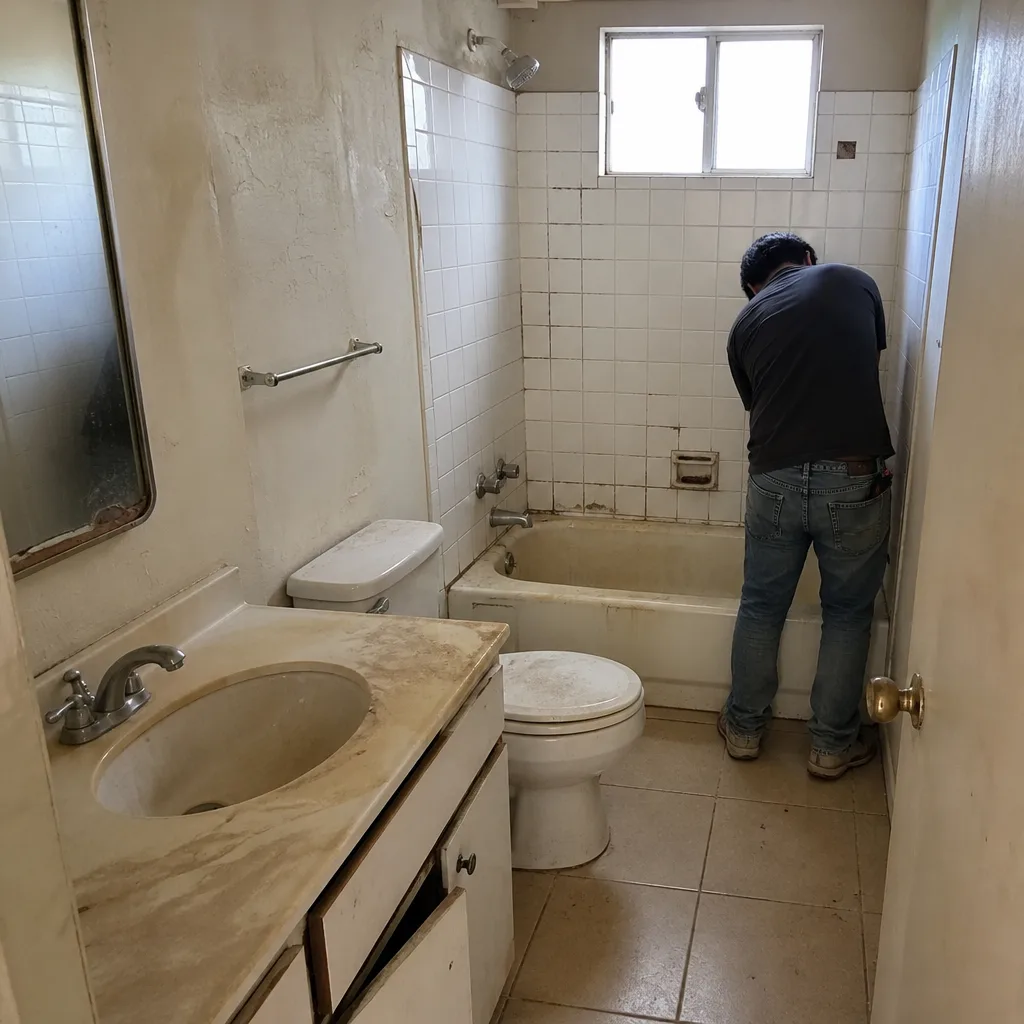 Before
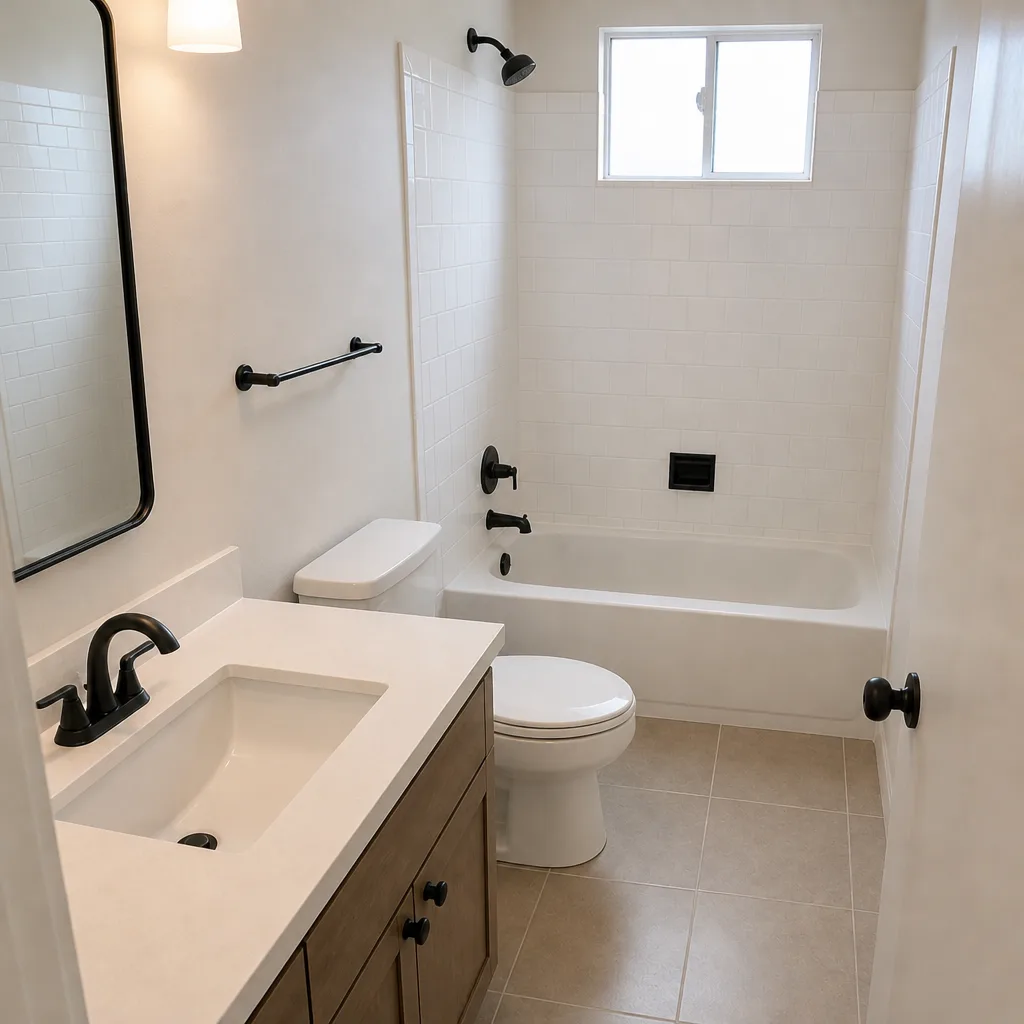 After
When to Call a Professional
Call a licensed professional when the task involves electrical, gas, roofing at height, structural cracks, or anything the manufacturer’s warranty names as a licensed-trade item. Also call when a problem spans more than one trade, like a bathroom leak that has reached the subfloor or a window that has lost its seal after a monsoon. Those almost never fix themselves with a tube of caulk. On a planned basis, we recommend a professional inspection roughly every three to five years, and an immediate call for any hot spot, smell, or stain that reappears after a repair. Mason Remodeling Sunrise Manor offers free estimates in Sunrise Manor from a company that puts the price in writing before any work begins, with experienced technicians and a strong local reputation. Call (855) 606-6122.
Frequently Asked Questions
Four times a year, aligned with the seasons: spring for caulk and grout, before monsoon for roof and drainage, after the first cold snap for HVAC and plumbing, and winter for warranty and record review. Sunrise Manor’s temperature swings are extreme enough that two caulk inspections a year (spring and fall) are warranted, not one.
It can. Most manufacturer warranties on roofing, tile, and HVAC carry maintenance conditions. A roofer can decline a shingle claim if there is no record of gutter upkeep that would have prevented water intrusion. Keep a dated maintenance log and it rarely becomes a dispute.
Yes, for visible caulk around windows, doors, and tub lines, and for re-sealing existing grout. Do not scrape old sealant at height or above doorways without a proper ladder and a second person. If the joint is behind tile or requires removal of a fixture, hire a pro.
Clear every gutter and downspout, test the grade around the foundation (it should slope away at roughly 1 inch per foot), inspect roof penetrations and flashing, and confirm window weatherstripping. Take a dated photo of the exterior before the first storm; it is your best record for a water damage claim.
Yes. A professional spring walk-through in Sunrise Manor typically costs a few hundred dollars and routinely catches issues that would cost several thousand to repair after a season of monsoon rain. Pair the pro visit with your own logged inspections to keep the annual cost low.
Yes. Your maintenance binder should hold both pro invoices and your own dated photo log. If you ever sell or file an insurance claim, a well-kept record is the difference between a fast settlement and a fight over whether the home was maintained.
The Bottom Line

Your remodel is only as durable as the maintenance that follows it. Build four passes into your calendar: a spring seal and grout check, a monsoon prep in early summer, a cold-snap review of HVAC and plumbing in late fall, and a winter record review. Know which tasks require a licensed professional to preserve warranty standing and which you can log yourself. Assemble the binder. If you want a pro walk-through on the parts that matter, Mason Remodeling Sunrise Manor delivers a written price before any tool is unpacked and backs the work with a 365-Day Done Right Promise. Call (855) 606-6122 for a free estimate.
Written by the team at Mason Remodeling Sunrise Manor.